Loading article...

Greenfield Capital said on Oct. 4 it filed a supervisory complaint with Switzerland's foundation authority over the Safe Ecosystem Foundation's board after months of failed talks.
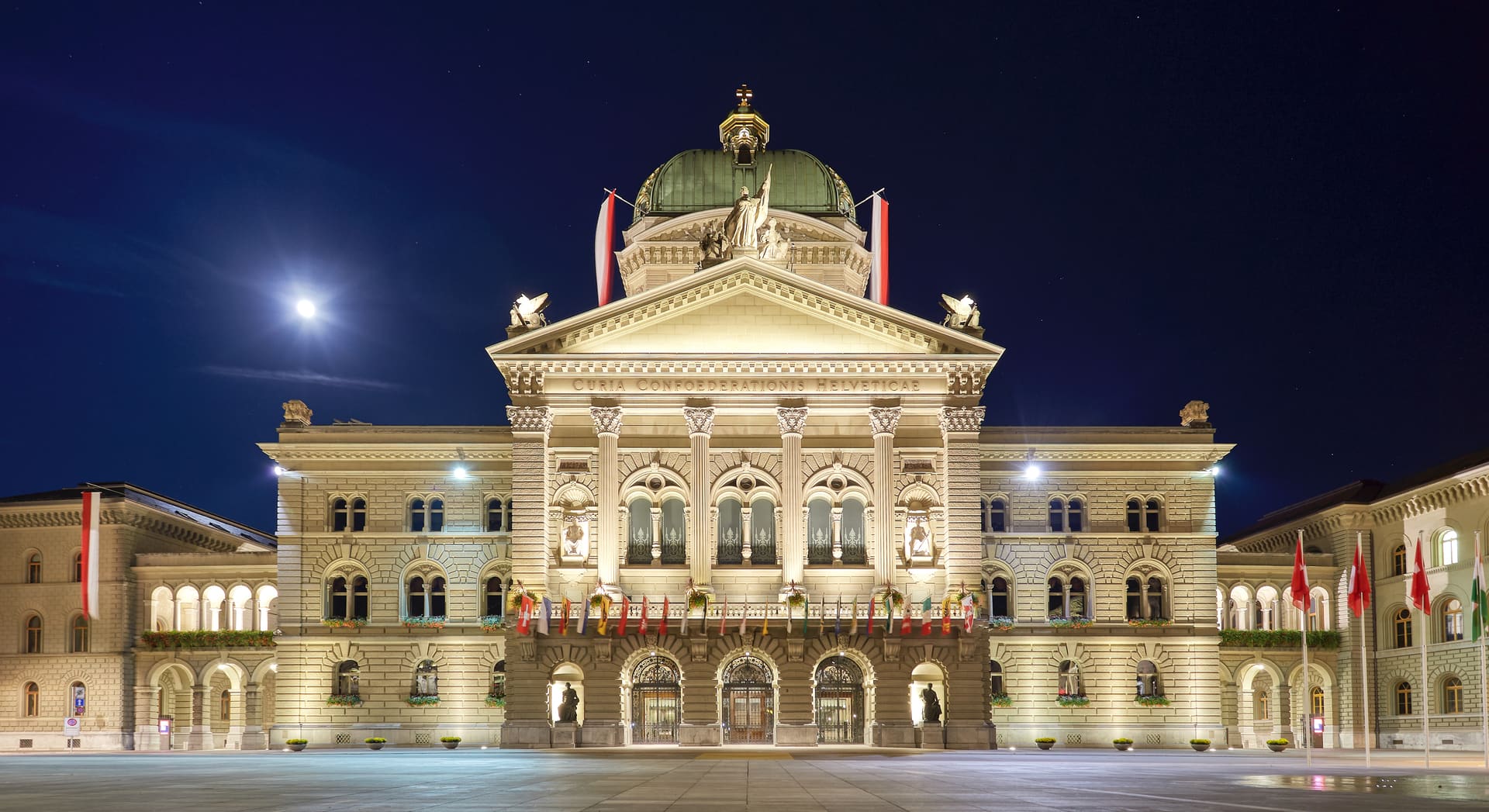
Parliament Square in Bern, Switzerland. Photo: Axel Tschentscher via Wikimedia Commons (CC BY-SA 4.0). Source
Greenfield Capital has filed a supervisory complaint with Switzerland's Federal Supervisory Authority for Foundations over the governance of the Safe Ecosystem Foundation, the Zug-based nonprofit behind the Safe smart-wallet protocol. Founding partner Jascha Samadi disclosed the filing in an open letter to the Safe community published Oct. 4, saying months of private engagement had failed to fix the problems.
Greenfield has backed Safe since 2022, when it invested in the financing round that accompanied the project's spin-off from Gnosis. The firm says it has never sold a single SAFE token and holds its full position today. It also co-authored a DAO proposal for a treasury oversight committee and runs a Safenet validator that ranks as the largest by delegations after Gnosis, according to the letter.
The financial picture in the letter is stark. Safe raised about $93.5 million in 2022, and the foundation's own May 2026 MiCA disclosures show roughly $60 million of that spent, with about $34 million in cash left. The foundation also holds 8.5 percent of the total SAFE supply in a strategic reserve and a further 45 percent on its balance sheet, while the token has lost more than 95 percent of its value.
Revenue has not filled the gap. The project reported more than $10 million in project-wide annualized revenue at the end of 2025, five times the roughly $2 million of a year earlier, and set a goal of doubling revenue and reaching breakeven in 2026 on the way to $100 million in annual recurring revenue by 2030. But the first-quarter 2026 report repeated the $10 million-plus figure for 2025 without disclosing any quarterly number, and the second-quarter report showed $1.98 million in quarterly revenue, Cointelegraph reported.
That quarterly number works out to an annualized run rate near $8 million, below the level claimed for the end of 2025 and less than half the pace the 2026 goal implies.
The letter measures Safe against a growing market. Between January 2024 and August 2026, value held in Safe accounts fell from $66 billion to about $30 billion, a drop of more than half, while total DeFi value locked grew about 40 percent. Stablecoins tell the same story: total supply rose from about $130 billion to more than $300 billion, up roughly 135 percent, yet stablecoins held in Safes on Ethereum mainnet grew only about 11 percent, from $5.9 billion to $6.6 billion, and Safe's share of all USDC in circulation fell from 12.8 percent to 2.5 percent, according to the figures cited.
Regulated custodians moved the other way over a similar stretch. Coinbase's institutional assets under custody grew from about $100 billion at the end of 2023 to roughly $250 billion by mid-2025, and BitGo's from about $60 billion to more than $90 billion ahead of its January 2026 IPO, the letter notes. Demand for guarded custody of digital assets has never been greater, it argues; Safe is simply not capturing it.
The February 2025 Bybit theft looms over the dispute. The largest theft in crypto history started in the compromised developer environment of the company that built and ran the most-used Safe Wallet instance and maintained the core protocol for the foundation. Safe lost significant talent in the months that followed, and trust inside and outside the organization was badly damaged, according to the letter.
The most serious passage concerns the board's conduct after that hack. Greenfield says it learned from stakeholders that Stefan George, a Gnosis co-founder who sits on the foundation board, together with Gnosis co-founder Martin Koppelmann, demanded that Safe's other board members and co-founders give up a large part of their SAFE holdings. The demand was backed by a threat that Gnosis would otherwise sell its entire SAFE position, about 10 percent of total supply, and publicly distance itself from the project, days after the hack had already shaken confidence. The board members gave in and the redistribution took place, the letter says, adding that separate sources confirmed the events to the firm.
Crypto Briefing, in its account of the dispute, stresses that these remain allegations untested by any authority. It also confirms the structural points: the foundation's board at times held only two members, and Greenfield wants independent directors plus a full review of strategy, product, organization and tokenomics against measurable targets.
Greenfield's written demands were specific: shake up the foundation's governance, remove George over what it calls a lasting conflict of interest as a Gnosis co-founder and board member, and add externally recruited independents with experience in finance, risk, security, legal work and business development. The firm says it never asked for a Greenfield seat. The foundation answered by creating a Strategy Commission, an advisory body appointed by the board with no authority over it, and by filling a vacancy with co-founder Richard Meissner, whose former company operated the main wallet instance and maintained the protocol, according to the letter.
A supervisory complaint asks the federal supervisor to examine whether a foundation is run in line with the law and its own deeds, and the authority can order corrections. Greenfield says the filing is not a lawsuit against individuals and not an attempt to take control of Safe. A foundation spokesman, Samuel Akpan, told Cointelegraph the foundation has not received a formal inquiry from the supervisor and declined to discuss details of a possible complaint, as Cointelegraph reported.