Loading article...

Arbitrum joined the Paxos-led Global Dollar Network on Oct. 5-6 as USDG launched natively on Arbitrum One with a 100 million ARB incentive proposal.
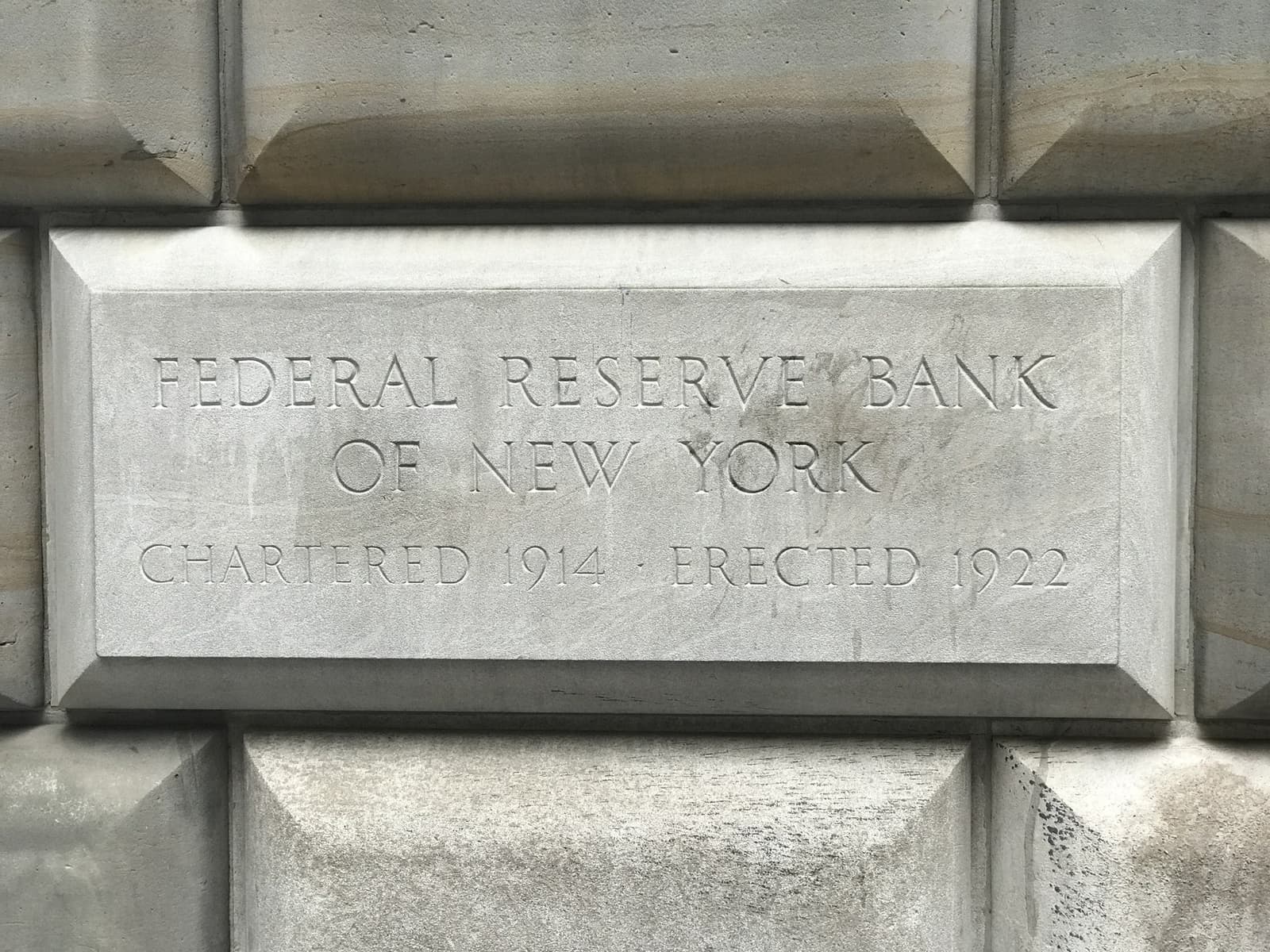
Stone detail on a Federal Reserve building. Arbitrum joined a Paxos-led network built around a dollar-backed stablecoin. Photo: Benji the Pen via Wikimedia Commons (CC BY-SA 4.0). Source
Arbitrum joined the Global Dollar Network, the Paxos-led stablecoin consortium behind USDG, as the dollar token launched natively on Arbitrum One. The move gives the Ethereum layer-2 network a way to share in reserve rewards from stablecoin activity on its own rails, CoinDesk reported.
USDG arrived with integrations across trading, lending and payments. Launch partners span Fluid, Morpho, GMX, Maple, Li.Fi, Gauntlet, Steakhouse, LayerZero and Kraken, with Uniswap and Fhenix set to follow. Kraken provides on- and off-ramps, while Stargate enables transfers between Arbitrum and other blockchains, according to Cointelegraph.
The token is issued by Paxos and backed one-to-one by dollar reserves. It has more than 3 billion dollars in circulation across networks, placing it among the largest dollar tokens by market value. The Global Dollar Network counts more than 150 partners, including Robinhood, Kraken, Mastercard and OKX. Its model shares rewards generated by USDG reserves among partners that help drive adoption instead of leaving those economics solely with the issuer.
That model addresses a gap in how Arbitrum earns from dollars that move on its network. About 3.8 billion dollars of stablecoins sit on Arbitrum, with Circle's USDC accounting for roughly 60 percent, DefiLlama data cited in the report shows. Arbitrum does not receive a direct share of the reserve income those tokens generate. A separate Foundation figure put total stablecoins on Arbitrum at about 4 billion dollars, Cointelegraph noted.
"With USDG, Arbitrum and builders across the platform now have a stake in the growth upside," said Brendan Ma, head of investment strategy at the Arbitrum Foundation. Proceeds directed to the network are meant to support adoption and ecosystem development rather than sit as passive income.
As a network partner, Arbitrum will share in rewards generated by USDG activity on its network, with the proceeds directed toward adoption and ecosystem development, Cointelegraph reported. The arrangement gives builders a direct reason to route dollar flows through USDG rails instead of tokens whose reserve income stays with the issuer.
A governance proposal published Tuesday would make USDG growth a strategic priority for ArbitrumDAO. It asks for 100 million ARB to join the DRIP incentive program and calls for treasury assets to support USDG liquidity. Businesses that integrate the stablecoin can apply for support from the Arbitrum Foundation under the plan.
USDG ranks as the seventh-largest stablecoin by market value, with about 3.09 billion dollars in circulation, according to DeFiLlama data. Most of that supply sits on X Layer, Robinhood Chain and Solana, so the Arbitrum launch is an attempt to add another large venue for issuance and use.
Stablecoin alliances have multiplied as issuers compete over distribution and reserve economics. Open Standard is building around OpenUSD with support from Mastercard, Visa, Stripe, Coinbase and Shopify. In Europe, Qivalis is backed by 37 banks. The shared idea spreads issuance, distribution and economics across partners instead of leaving control with a single company, CoinDesk wrote.
Arbitrum enters that contest with recent momentum beyond crypto-native apps. Robinhood Chain, built with Arbitrum technology for tokenized real-world and digital assets, launched its public mainnet in July after a public testnet in February. Robinhood agreed to share a portion of revenue generated by user activity with the Arbitrum ecosystem, CoinDesk reported. The network supports around-the-clock trading, lending markets and perpetual futures venues, according to that account.
Standard Chartered has pointed to Robinhood Chain as a possible turn in Arbitrum economics, with the network receiving 10 percent of net protocol revenue from companies building on its infrastructure. The bank forecast that those economics plus growing asset tokenization could push ARB to 10 dollars by 2030, about 70 times its price at the time of that call. It expects tokenized assets to reach 4 trillion dollars by the end of 2028, with Arbitrum among the potential beneficiaries as more assets move on-chain.