Loading article...

Conduit Technology sued Tether in New York federal court over $2.76 million in USDT frozen since September 2025, saying police in Brazil never flagged its wallet.
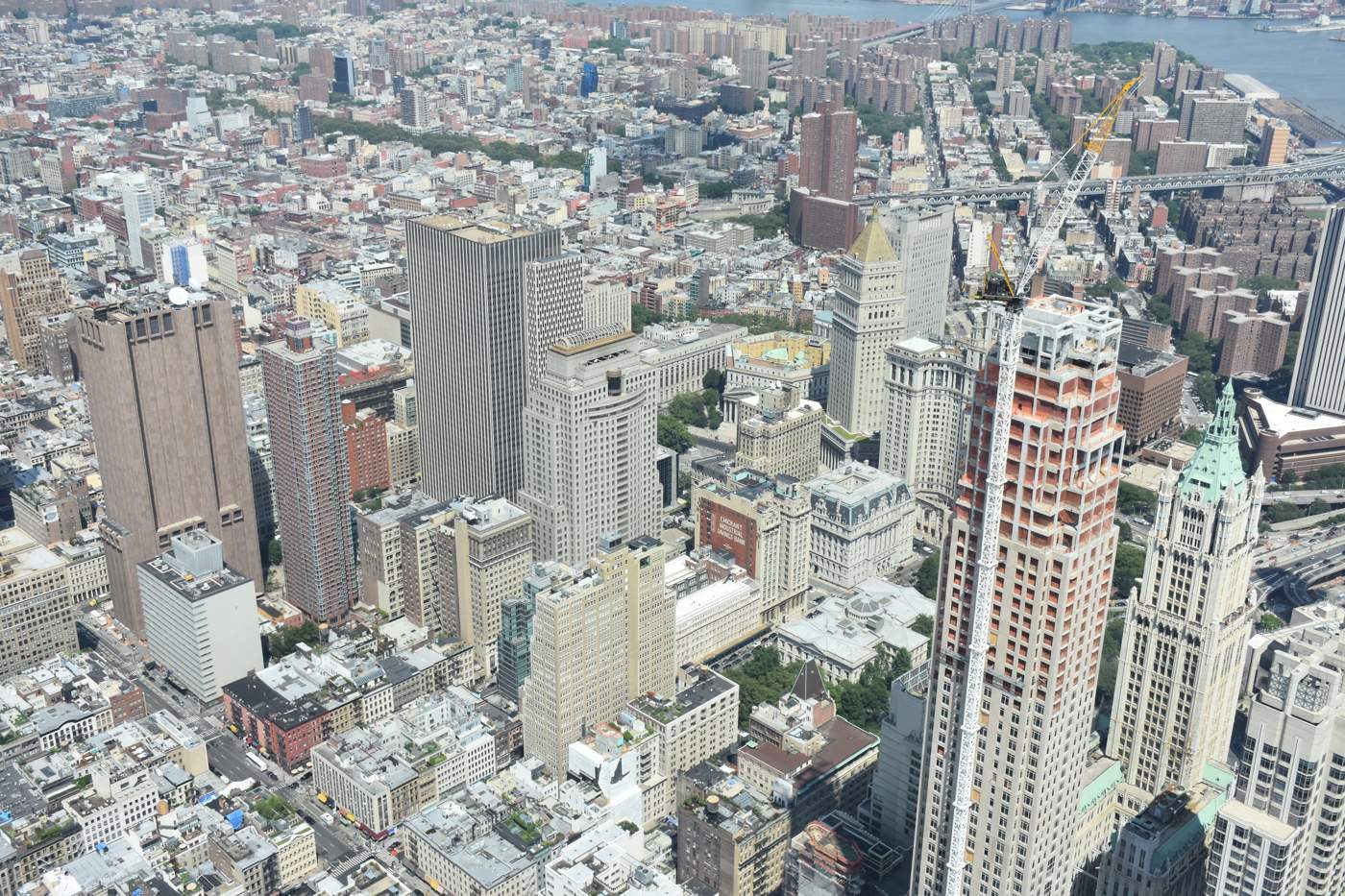
Lower Manhattan's Civic Center, home to New York's federal and state courthouses. Photo: MusikAnimal via Wikimedia Commons (CC BY-SA 4.0). Source
Cross-border payments company Conduit Technology sued Tether in New York federal court over $2.76 million in USDT that has been frozen for more than a year. The complaint was filed Monday in the U.S. District Court for the Southern District of New York, according to three separate Oct. 6 reports on the case.
Conduit says Tether froze its treasury wallet on Sept. 24, 2025 and has kept the money locked ever since. The wallet held the working capital Conduit used to pre-fund client payments, and the filing calls it the digital equivalent of the company's operating bank account, Decrypt reported. In the year since the freeze, the company says it has cut staff and closed offices.
The suit names conversion, unjust enrichment, breach of fiduciary duty and computer fraud among its claims, and asks the court to order the funds released. That account of the claims appears in both the Decrypt report and a second Oct. 6 write-up from Protos. The latter adds that Conduit also seeks a declaratory judgment in its favor plus an accounting of the reserves and any interest, profit or income Tether may have drawn from the frozen funds.
At the center of the dispute sits a Brazilian investigation Conduit says has nothing to do with it. Brazil's Federal Police opened a probe in 2024 into Bull Intermediacao de Negocios and Onix Intermediacoes, firms under shared ownership, Cointelegraph reported. Onix had once moved money through Conduit's platform. Its last transaction there came on April 22, 2025, while Conduit opened the frozen treasury wallet the following month, Unchained reported.
That timeline forms the core of Conduit's argument. The wallet did not exist when Onix was still using the platform, and it never held Onix funds, the company says. The filing quotes Conduit's position bluntly: the money is unequivocally the company's, and Tether had no legal entitlement and no claim to it, according to the Cointelegraph account. The same report notes the company began holding USDT in the wallet in May 2025 and lost access to the full $2.76 million that September.
How the wallet ended up frozen is itself in dispute. Conduit points to Tether's own T3 Financial Crime Unit rather than to any police order. A July 2026 filing by Brazilian investigators described a process in which police sent suspect addresses to the T3 unit, which then decided which wallets to freeze under its own criteria. The write-up in Unchained lays out Conduit's version: its wallet was absent from the police list, the Brazilian criminal court has recognized the company is not a target, and police confirmed they never flagged the address and do not know what criteria Tether applied.
Protos described a similar sequence. After the freeze, Tether referred Conduit to a contact in the Brazilian Federal Police with no context, and its requests to unfreeze the money drew no substantive reply. Conduit then went to Brazilian police directly, who confirmed they had not identified the wallet for freezing and could not explain the criteria behind it.
The scale of the disruption, as Conduit tells it, goes well beyond the frozen sum. The wallet moved more than $1.1 billion across 4,427 transactions with 78 counterparties in roughly four months before the freeze, with none involving Onix, according to the complaint as described in both published accounts of the filing. Losing the account choked the company's settlement flow and forced the layoffs and closures, the filing says.
Conduit also argues Tether profits from the freeze. USDT is backed by reserves including U.S. Treasury securities, and the suit contends the issuer keeps earning interest on the backing behind tokens it has locked. An Aug. 19 demand letter asking for the funds back drew no reply, per Unchained. The relief sought includes at least $2.76 million in compensatory damages, the interest earned on the reserves, and punitive damages with disgorgement of related profits, according to the two most detailed accounts of the filing.
Tether had not publicly addressed the suit as of the Oct. 6 reports. Cointelegraph said it reached out for comment and received no immediate response. The only company line on freezes cited in the coverage comes from chief executive Paolo Ardoino, who said in a Sept. 28 company release on Iran-linked freezes that Tether can act when credible information is provided by law enforcement.
The case follows a separate freeze suit filed Aug. 31 in the same court, in which two Thai businessmen seek about $42.4 million frozen in October 2025 after what they describe as an informal request from a U.S. government agent. That dispute sits inside a larger $61 million case in federal court in North Carolina that produced a seizure warrant for the tokens in February.