Loading article...

Ondo introduced Private Markets on Oct. 5, offering tokenized notes linked to a pre-IPO AI company with secondary trading expected to start within the week.
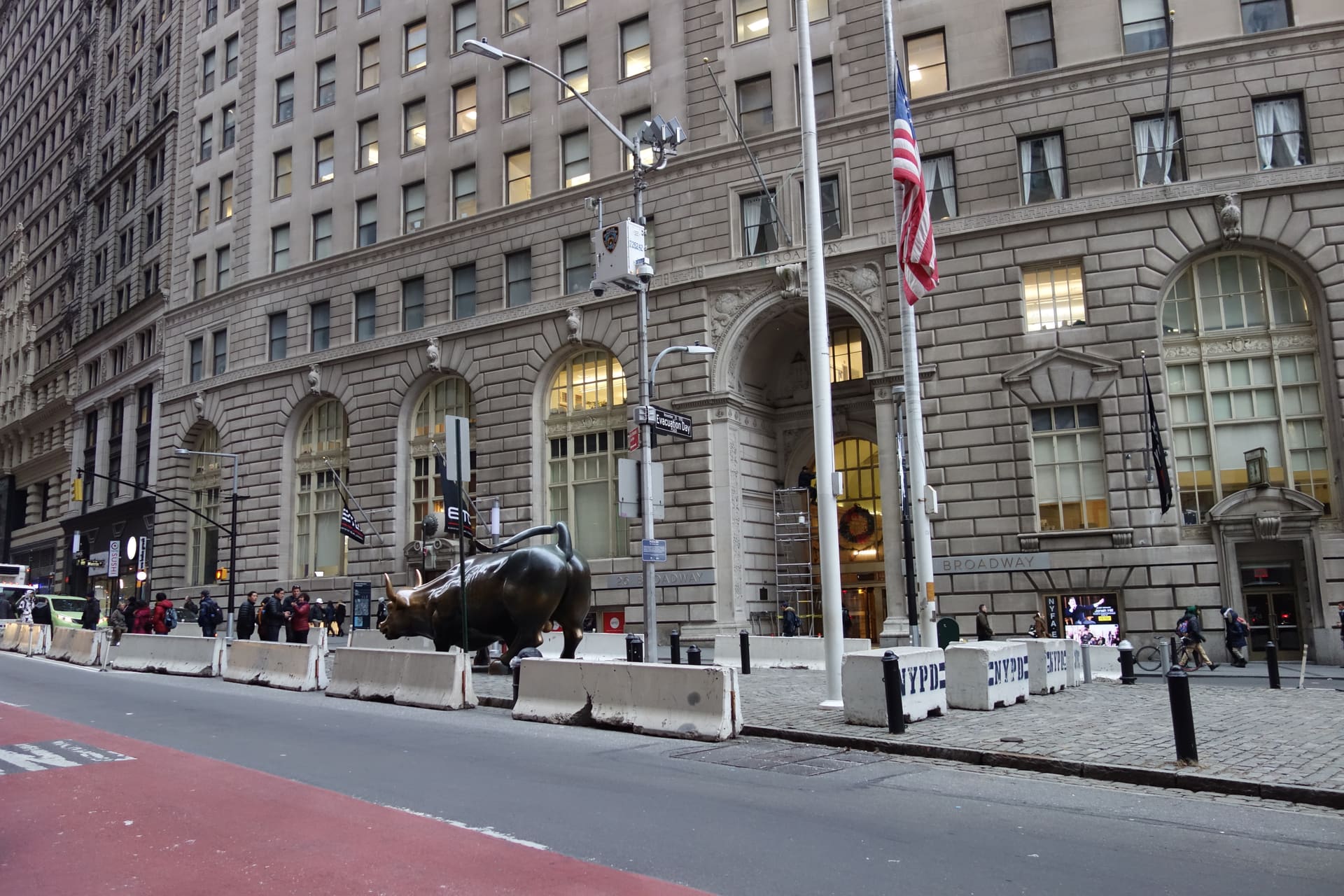
The Charging Bull statue near Wall Street in New York. Photo: Tdorante10 via Wikimedia Commons (CC BY-SA 4.0). Source
Ondo Finance introduced Ondo Private Markets on Oct. 5, a venue giving eligible investors tokenized exposure to private companies starting with a pre-IPO artificial intelligence firm. The first market is set to begin secondary trading within the week, with round-the-clock permissionless trading to follow, the company said in its launch post.
Exposure runs through tokenized notes, not shares. Each note payout links to the per-share value realized on the referenced company common shares at a qualifying liquidity event, so holders get economic exposure without direct ownership. Investors can hold the notes in self-custody wallets or trade them on secondary markets at any hour, that announcement says.
The company name behind the first notes stays undisclosed. Ondo described the reference asset only as a leading pre-IPO AI company, with names across robotics, cybersecurity, biotech, infrastructure and other sectors to follow, Cointelegraph reported in Oct. 6 coverage.
Ondo framed the launch around access. About 87 percent of U.S. companies with more than $100 million in yearly revenue are privately held, including many shaping AI and robotics, and private markets have historically combined high minimums with no open exit. That framing comes from the company blog, which cites Apollo data for the 87 percent figure.
The return case leans on long-run data. Over the 20 years to December 2025, U.S. private equity funds delivered 13.2 percent annualized net of fees against 11.3 percent for an S&P 500 public-market equivalent, per Cambridge Associates figures cited in the post.
Ian De Bode, acting CEO and president at Ondo Finance, said most retail investment options are public companies while the defining businesses of the next era sit outside public markets. "In the US, the majority of the investment options accessible for retail are public companies, yet 87% of companies with over $100m in revenue are private," he said. The quotes come from an Oct. 6 company release carried by PR Newswire.
The notes are issuer obligations with no shareholder rights. They provide no ownership in the referenced companies and grant no claim to receive the underlying shares, with full offering documents going to eligible clients before subscription. Those limits appear in the PR Newswire statement.
Access is restricted by geography. The tokens have not been registered under the U.S. Securities Act and may not be offered or sold in the United States or to U.S. persons absent registration or an exemption, with buy orders from inside the country prohibited. That eligibility language comes from the same release.
Ondo pitches transferability as the second half of the product. The tokens move freely onchain between eligible holders and can plug into DeFi venues, so investors can resize or exit positions without waiting for an IPO or other liquidity event. That design is set out in the launch article.
Scale claims differ slightly between the two company texts. The Oct. 5 blog puts Ondo total value locked at $3.9 billion with more than 1 million cumulative holders, while the Oct. 6 release cites $3.7 billion in total value locked with the same holder count. Both figures come from Ondo's own materials, in the post and the release respectively.
Ondo Stocks supplies the template. That platform for tokenized U.S. stocks and ETFs holds more than $1 billion in total value locked and lists more than 450 tokenized stocks and ETFs, the company says.
Others are testing the same demand. Robinhood venture fund put $75 million into OpenAI common stock in April to give retail investors exposure through a closed-end fund, and Citi was reported in June to be building a blockchain marketplace for private-company shares. Cointelegraph noted both precedents in its report.
The first notes are expected to start trading this week, with robotics, cybersecurity, biotech and infrastructure names lined up next. That sequencing comes from the company statement.