Loading article...

Crypto super PAC Fairshake will spend $30 million on ads and mail opposing Sherrod Brown's Ohio Senate bid, its largest 2026 outlay, after the Senate's failed Clarity Act vote.
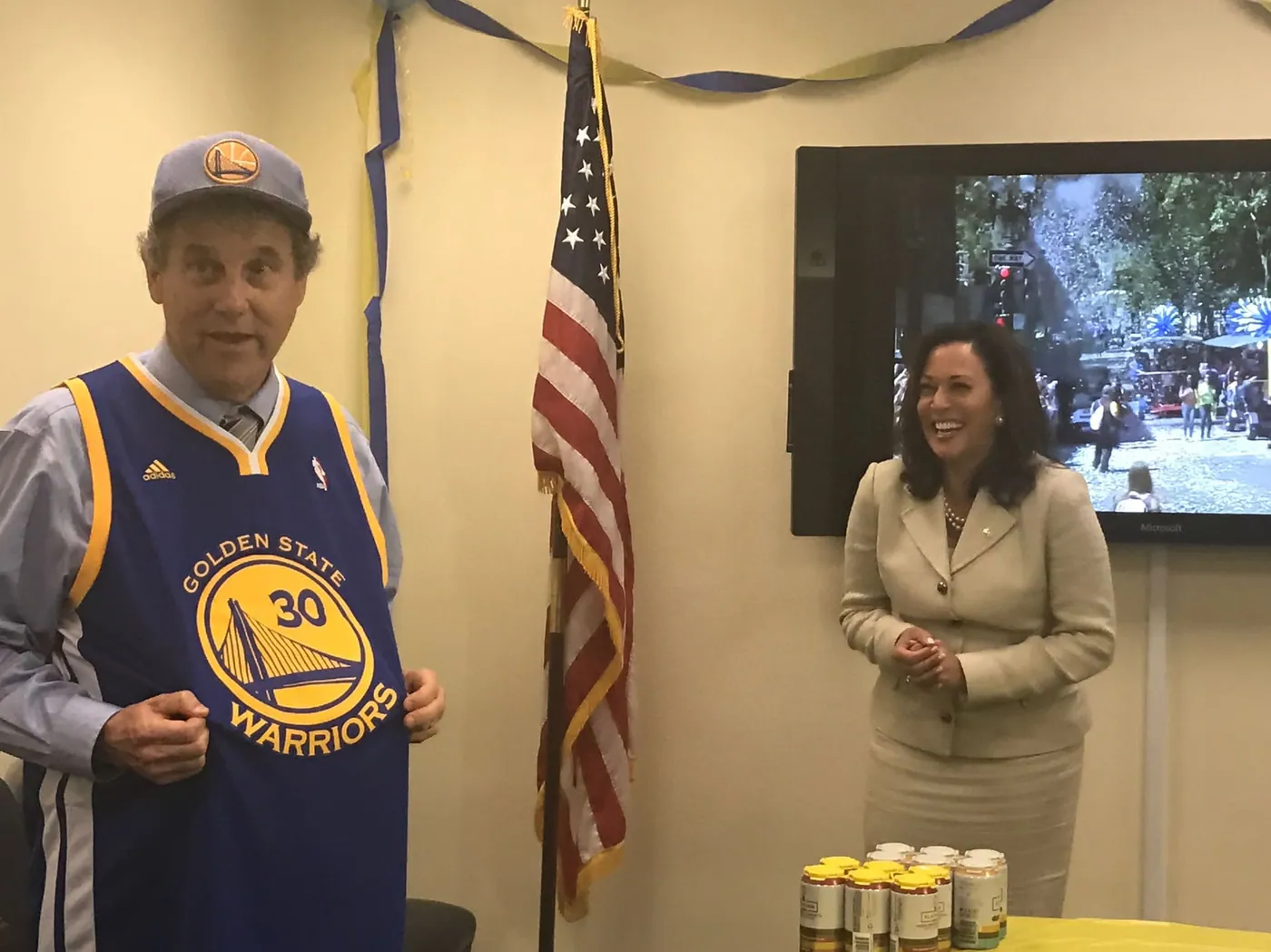
Former Senator Sherrod Brown in 2017. Photo: Office of Senator Kamala Harris via Wikimedia Commons (Public domain). Source
The crypto industry super PAC Fairshake has committed $30 million to defeat Sherrod Brown as the Democrat seeks a return to the Senate from Ohio, the group confirmed on Sept. 21. The commitment, first reported by the New York Times, covers television advertising and direct mail in the Ohio race and starts this week.
PAC spokesman Geoff Vetter confirmed the figure on Monday, according to CoinDesk, which reported the spending as the industry's largest against a single candidate in the 2026 midterms. The campaign is scheduled to begin Tuesday, according to a second report on the announcement. Fairshake and two affiliated groups held about $120.4 million in available funds, that report said, citing filings.
The Ohio blitz revives a fight from the 2024 cycle. Fairshake and its affiliates spent more than $40 million to help unseat Brown two years ago, CoinDesk reported. Brown lost that race to Republican Bernie Moreno. A separate tally put the anti-Brown spending at roughly $41 million, according to that coverage.
Brown, a former three-term senator, is now running again in a special election for the seat once held by Vice President JD Vance. He won the Democratic nomination in May and faces Republican incumbent Jon Husted, who was appointed to the seat last year. NBC News projected Brown's primary win on May 6.
The new spending lands six days after the Senate failed to advance the Digital Asset Market Clarity Act. On Sept. 15 the chamber voted 49-50 on cloture, short of the 60 votes needed to open debate on the market-structure bill the industry had made its top legislative priority. That vote count was recorded in the announcement coverage, which said ethics language tied to President Trump's crypto holdings stayed unresolved.
Brown chaired the Senate Banking Committee from 2021 to 2025, when market-structure legislation never cleared his panel. Crypto backers viewed his pace as a block on federal rules for the sector. The committee later moved a stablecoin bill after Moreno replaced Brown, and nearly finished the Clarity Act before this month's failed vote, as that report described.
A Brown win in November would not hand him the Banking gavel he once held. Sen. Elizabeth Warren is the current top Democrat on the panel and is widely expected to stand first in line for the chair if Democrats retake the Senate, the same report said. Senate seniority rules tie rank to a member's current entry into the party conference, so restoring Brown's old standing would take a caucus exception.
Fairshake's principal backers are Coinbase, Ripple Labs and venture firm Andreessen Horowitz. The PAC describes its work as bipartisan, and its roster includes support for candidates in both parties. Its largest checks this cycle, however, have either backed Republicans or targeted Democrats in races that could decide Senate control.
In Alabama, an affiliate called Defend American Jobs spent more than $12 million in the Republican Senate primary and runoff to help Barry Moore win the nomination, campaign spending records show. Moore is favored in the general election in the heavily Republican state. In Illinois, Fairshake spent more than $10 million trying to derail Lt. Gov. Juliana Stratton's Senate primary bid and failed, with Stratton still expected to win her general election race.
Vetter said Fairshake would announce more of its closing strategy in the coming days. Even after the Ohio commitment, the group retains more than $90 million for the general election stretch, he confirmed. The broader pool of Fairshake and two affiliates stood near $120.4 million, according to the filings cited in the announcement coverage.
Polls show a close race in Ohio. A Bowling Green State University survey of 1,000 likely voters this month put Brown at 48 percent and Husted at 45 percent, CoinDesk reported. Betting on Polymarket gave Brown a 57 percent chance to win, the same report said. The general election is Nov. 3.
Brown's tone on crypto has shifted since his 2024 loss. After once saying the industry had "betrayed the public interest," his team said in May that he would "keep an open mind" and "work to ensure that wider crypto use expands opportunity for Ohioans." Newser summarized that softening as an effort to avoid fresh attacks. Brown also told the Times that crypto has a lasting role in the economy but should not write its own rules, that interview recorded.
His campaign answered the new spending with an attack on Husted. "Jon Husted's for sale and the billionaires and corporations pouring millions into this race know it," campaign manager Patrick Eisenhauer said in a statement the campaign sent in response to the Fairshake news.
The 2024 result still shapes both sides' math. Outside spending in that race ran far above what either candidate raised directly, which is the pattern super PACs repeat: federal law caps direct contributions while outside groups can spend without limits, as long as they stay independent of the campaigns. Fairshake's ads typically avoid crypto entirely and make whatever case its strategists see as most likely to move voters.
Brown's team announced $3.6 million raised in the first 24 hours after he entered the race in August 2025, with an average gift of $53 and 95 percent of individual donations under $100, his campaign said at the time. Husted, backed by President Trump's endorsement, avoided a primary fight. Both men aired their first television spots last spring, NBC News reported.
The PAC's Ohio decision followed united Democratic opposition to the Clarity Act. Not a single Democrat voted to advance the bill, Gemini co-founder Tyler Winklevoss wrote on X on Sept. 16, adding that there was a lesson in that tally. Industry lobbyists had spent months negotiating the text with Senate offices before the Sept. 15 vote collapsed the effort for this Congress.