Loading article...

Fairshake said on Oct. 5 it will support 19 Republicans and 13 Democrats running for the House, with $1 million each committed to six incumbents who backed the Clarity Act.
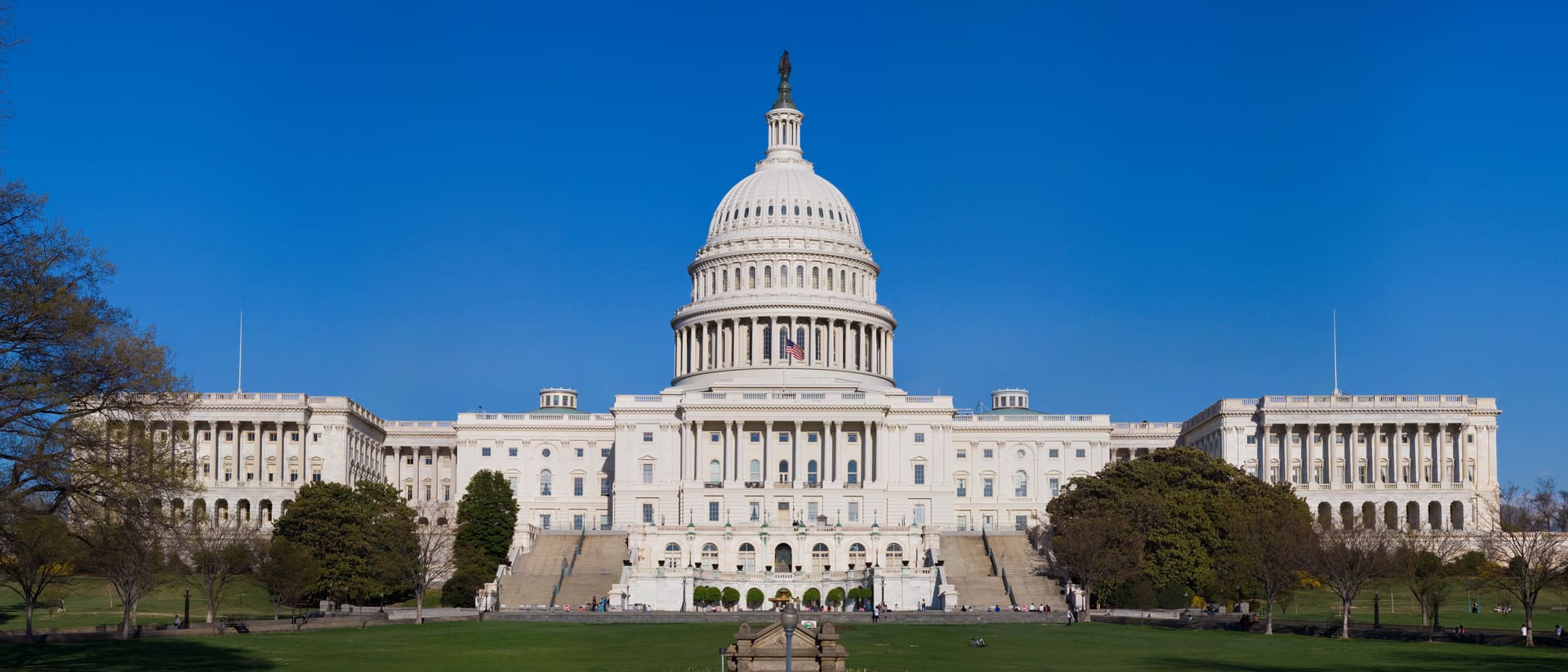
The U.S. Capitol in Washington, D.C. Photo: Noclip via Wikimedia Commons (Public domain). Source
The crypto industry's leading political spending network will back 32 House incumbents in the November midterms, split between 19 Republicans and 13 Democrats. Fairshake and its affiliated super PACs announced the slate Monday, less than a month before elections that decide control of the House and Senate.
Six incumbents sit at the top of the list with at least $1 million in support each. The Democrats are Janelle Bynum of Oregon, Steven Horsford of Nevada and Derek Tran of California, while the Republicans are French Hill of Arkansas, Bill Huizenga of Michigan and Bryan Steil of Wisconsin, according to CNBC. The network did not disclose what it plans to spend on the other 26 candidates.
Every one of the 32 voted for the Digital Asset Market Clarity Act when it passed the House 294-134 in July 2025, CNBC reported. That support is the common thread across the slate, and the bill's later failure to advance in the Senate is the backdrop for the spending: with the industry's signature market-structure measure stalled, the next Congress may decide how crypto is regulated in the United States.
"Fairshake has always been and always will be an issue-focused organization," spokesman Geoff Vetter said in a statement Monday. "We back pro-crypto candidates who support American innovation in both parties." CoinDesk carried the same statement in its account of the announcement.
The network has the money to follow through. Fairshake and its two affiliates, Protect Progress and Defend American Jobs, entered September with about $120.4 million in cash, according to Federal Election Commission filings cited by CNBC. Protect Progress generally supports Democrats and Defend American Jobs generally supports Republicans. Its backers include Coinbase, Ripple and the venture firm Andreessen Horowitz.
Earlier this cycle the network spent $71 million across 57 primaries and special elections, and its preferred candidates won 53 of those races, that coverage notes. Cointelegraph reported that Vetter had put the group's August cash at $122 million and framed the goal as building the largest pro-crypto caucus in American history.
Several of the top recipients sit where crypto bills live or die. Hill and Huizenga are the chair and vice chair of the House Financial Services Committee, while Steil leads its digital-assets subcommittee, according to that account. Horsford helped move a bipartisan crypto tax bill through the Ways and Means Committee he serves on, and both he and Tran hold "A" ratings on digital-asset issues from Stand With Crypto, as does Bynum, CoinDesk reported.
Bynum, an Oregon Democrat, won her seat two years ago by beating Republican Lori Chavez-DeRemer, whom Fairshake had backed in that race. Chavez-DeRemer went on to run the Labor Department under President Trump before resigning this year under multiple misconduct allegations, according to that coverage.
The broader slate reaches well beyond financial-services panels. CoinDesk noted that many of the 32 sit on Ways and Means, which handles crypto tax questions, while others serve on the agriculture, science and judiciary committees that could each shape future crypto bills. The Republican names include Tom Emmer of Minnesota, Frank Lucas of Oklahoma and Jason Smith of Missouri; the Democrats include Pete Aguilar of California, Josh Gottheimer of New Jersey and Terri Sewell of Alabama, per the published lists.
The House push is the smaller front in Fairshake's general-election campaign. The network has already committed nearly $30 million to defeating Democratic Senate nominee Sherrod Brown in Ohio, after spending about $40 million against him in 2024, when the then-Senate Banking Committee chairman favored tougher crypto rules and stalled a House-passed market-structure bill, that coverage reported.
Fairshake's spending takes the form of independent advertising buys placed without the campaigns' involvement. Those ads do not mention crypto as an issue, and instead focus on whatever topics the group judges most likely to move voters, according to that account.