Loading article...

The SEC proposed rules on Oct. 1, 2026 that would let investment advisers self-custody client crypto when no qualified custodian is available and allow state trust companies to serve as crypto custodians.
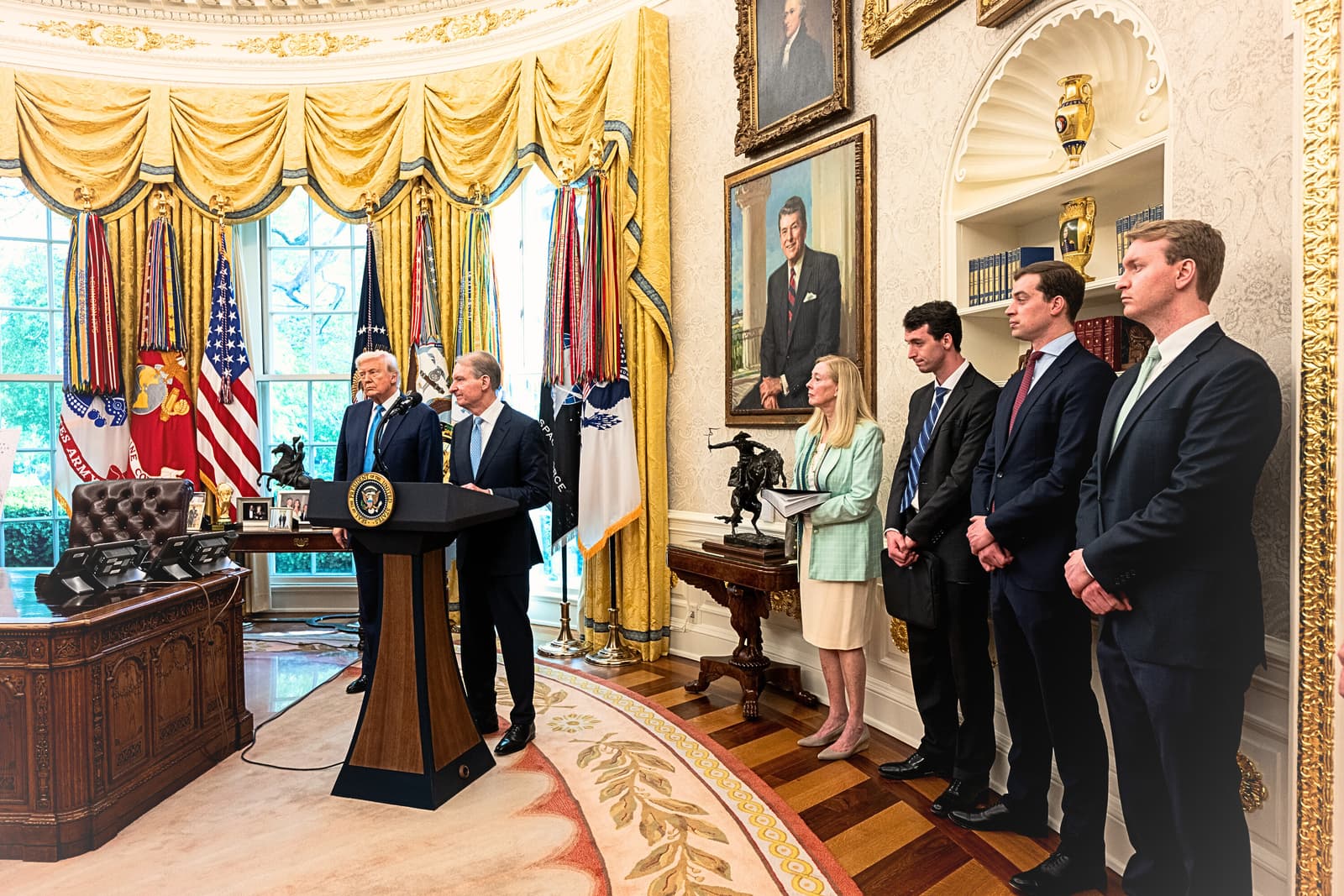
President Donald Trump stands with SEC Chair Paul Atkins at Atkins' swearing-in ceremony in the Oval Office on April 22, 2025. Official White House photo by Molly Riley (Public domain). Source
The U.S. Securities and Exchange Commission on Oct. 1, 2026 proposed rules that would let investment advisers hold client crypto assets themselves when no eligible custodian is available, and would open the door for state trust companies to act as crypto custodians. Cointelegraph reported the proposal on Oct. 2 as an effort to remove a custody hurdle that has kept some advisers from offering digital asset investments to clients.
The proposal, published Thursday, targets advisers and funds operating under the Investment Advisers Act and the Investment Company Act. Alongside the self-custody path, it would permit regulated funds to keep crypto with their investment adviser and would revise audit, recordkeeping and disclosure duties for firms that hold digital assets (proposal details).
SEC Chair Paul Atkins said the crypto market had grown from "a niche curiosity into a multi-trillion-dollar asset class to which investors actively seek exposure" while federal rules had "not kept pace." Cointelegraph quoted that passage from his statement on the proposal. In the same statement, Atkins said the draft would replace uncertainty left by custody standards written for traditional assets long before crypto existed, as described.
The practical problem is a shortage of qualified custodians for particular tokens. Advisers can struggle to find an approved custodian for a given asset, which limits what they can offer clients. The Digital Chamber made that case in a May 2025 submission to the agency, saying some advisers had turned down token allocations or asked portfolio companies to keep the tokens until custody became available, as reported.
Self-custody under the draft comes with strings attached. An adviser would have to show that no permitted custodian can hold each asset before taking custody, then repeat that check every three months. If a suitable custodian appears, the adviser must move the assets over as soon as reasonably practicable. CoinDesk wrote that the full draft runs about 760 pages and that an agency official described qualifying cases as likely unusual, giving the example of a newly launched token that custodians do not yet support.
Private keys, cybersecurity and the separation of each client's holdings would all face explicit safeguards. At least two authorized people would need to sign off on any transfer of self-custodied crypto. The draft also asks advisers to show they have the expertise to hold the assets, according to the proposal summary.
State trust companies would face a separate set of tests. The firm must hold state authorization to provide crypto custody, run reasonable procedures against loss, theft and misuse, and produce audited financial statements plus internal control reports. Client holdings would have to sit apart from the company's own assets. Those conditions aim to widen the pool of eligible custodians beyond the banks and trust firms that handle crypto today.
Regulated funds would get a parallel path. A fund could keep its crypto in self-custody through its adviser if the adviser meets the self-custody terms and the fund's board oversees the arrangement. Commissioner Mark Uyeda said adviser custody creates "an inherent conflict of interest," adding that an adviser's fiduciary duties would still apply when it holds client crypto directly (his remarks).
Commissioner Hester Peirce, who led the agency's Crypto Task Force since its creation, compared the wait for workable custody rules to a regulatory "roller coaster." Advisers have been "gritting their teeth and holding on for dear life," she said in a statement titled "Roller Coaster Ride" (her remarks). CoinDesk reported that the custody vote amounts to a farewell act for Peirce, who leaves the commission on Friday to teach in Virginia.
Her departure leaves the agency with two commissioners. Earlier in the week the SEC cut the number of members needed for a quorum from three to two, so the remaining pair can still act. If one of the two must sit out a matter, the other can form a quorum alone.
The public gets 60 days to weigh in once the proposal appears in the Federal Register.
The draft extends a run of agency crypto actions taken without new legislation. Cointelegraph noted that the proposal follows the Senate's failure to advance the CLARITY Act market structure bill last month, after which the SEC opened a path for trading tokenized stocks and the Commodity Futures Trading Commission sent its own crypto market plan to the White House for review. The custody draft also follows last month's Innovation Exemption for tokenized securities venues and August's Regulation Crypto Asset proposal on token fundraising, as CoinDesk's account lays out the sequence.