Loading article...

The IMF completed the second and third reviews of El Salvador's 40-month program on Oct. 1, disbursing about 138 million dollars while waiving missed Bitcoin-accumulation criteria.
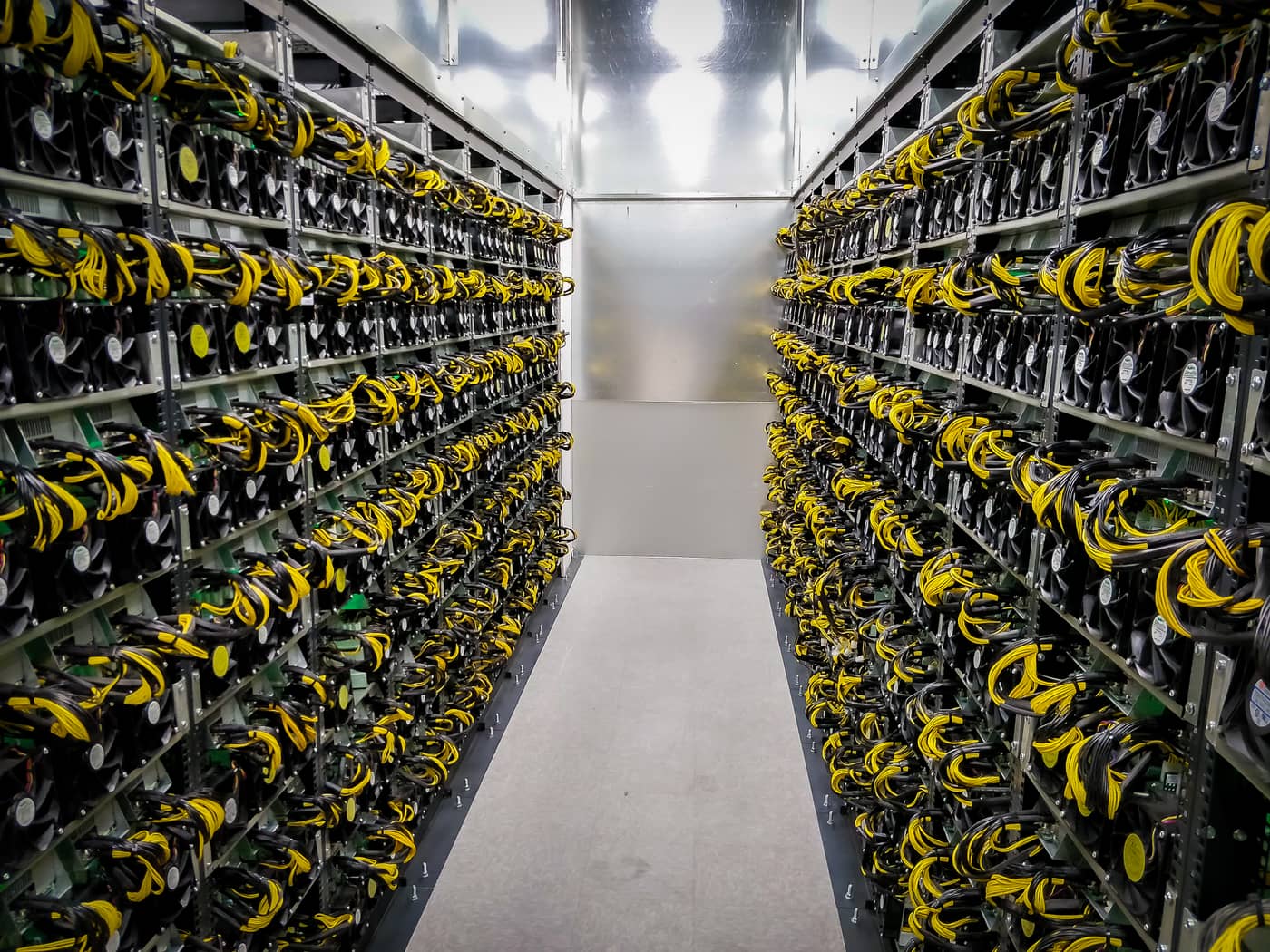
Bitcoin mining containers at the Argo Blockchain Mirabel facility. Photo: MikeBogosian via Wikimedia Commons (CC BY-SA 4.0). Source
The International Monetary Fund completed the second and third reviews of El Salvador's 40-month Extended Fund Facility on Oct. 1, clearing an immediate disbursement of SDR 101.96 million, or about 138 million dollars, Securities.io reported, citing the fund's Press Release No. 26/316. The board also granted waivers for performance criteria the country missed, including limits on Bitcoin accumulation, after the authorities took corrective steps and renewed their pledges.
The waiver keeps financing in place while leaving the program's Bitcoin conditions intact, CryptoSlate wrote in its Oct. 5 account of the decision. No further state Bitcoin accumulation is envisaged beyond documented donations, the fund said, as reported by both outlets, a line that bars San Salvador from restarting publicly funded purchases while it draws on IMF money.
El Salvador now holds about 7,794.37 bitcoin, worth roughly 666.1 million dollars at recent prices, according to the CryptoSlate tally. The size of that stash has stayed in focus because additions to government-linked wallets have at times looked out of step with the loan terms, and the latest review keeps that tension alive rather than settling it.
The 40-month arrangement was approved on Feb. 26, 2025, with total access of SDR 1,033.92 million, or about 1.4 billion dollars, equal to 360 percent of the country's quota, the fund said, as described by Securities.io. The Salvadorean authorities consented to publication of the staff report behind the review, the same account added.
Cointelegraph noted that the waivers were granted on the basis of strong corrective measures and renewed commitments, language taken from the fund's statement. The fund pointed to progress on financial-sector reform, fiscal transparency and anti-money-laundering work, alongside the transfer of majority ownership and control of the state Chivo bitcoin wallet to a private operator.
That Chivo transfer drew specific praise from Dan Katz, the fund's first deputy managing director, who called it a welcome step and said the leftover public-sector exposure should still be fully unwound, per the Securities.io write-up. Katz added that the program has been delivering visible benefits, with real GDP growth beating expectations, social outcomes improving and sovereign spreads falling markedly.
Fiscal consolidation has advanced broadly in line with program goals, and reserve and liquidity targets were comfortably met, the fund said, according to the review coverage. Economic activity came in stronger than expected, supported by improved security conditions and rising investor confidence, while macroeconomic imbalances continued to narrow, the review summary showed.
The fund wants San Salvador to publish more about public-sector crypto holdings, tighten oversight of digital-asset providers and amend its Digital Asset Issuance Law where needed, Cointelegraph reported. Those demands sit next to the standing pledge against additional government-funded Bitcoin buying, so the reserve can grow in value with the market but not through fresh state purchases.
How the reserve grew after the first review remains a sore point. Cointelegraph recalled that Salvadoran authorities supplied documents showing post-review additions came from private donations rather than public money, a finding the fund relayed in early September. That explanation followed the government's November 2025 statement that it had acquired 1,090 BTC worth 100 million dollars, which had revived questions over compliance with the 1.4 billion dollar program, its Oct. 4 piece said.
The first review, completed on June 27, 2025, had released SDR 86.16 million, or about 118 million dollars, bringing total disbursements at that point to SDR 172.32 million, or about 231 million dollars, one program history noted. The initial approval months earlier had allowed a first payout of the same SDR amount, then worth about 113 million dollars, and was meant to anchor over 3.5 billion dollars in combined multilateral support.
Katz said lasting fiscal consolidation remains needed to put public debt on a firm downward path, calling for better revenue administration, continued spending restraint and pension and civil-service changes that had slipped, the statement summary said. He also urged stronger bank oversight, curbs on the sovereign-bank link and a modernized central-bank law, alongside steps to rebuild government liquidity buffers.
The review materials estimate real GDP growth of 3.9 percent in 2025, rising to 4.5 percent in 2026 before easing to 4.0 percent in 2027, with consumer-price inflation near 0.3 percent this year and gross international reserves climbing toward 6.17 billion dollars by 2027, the published tables show. Public debt sits near 87.6 percent of GDP this year, while the primary surplus is seen widening from 1.9 percent toward 3.7 percent over the same span.
What comes next turns on paperwork as much as policy. Future reviews will hinge in part on whether San Salvador can document each change in its bitcoin balance while finishing the Chivo unwind and the transparency reforms, and any unexplained accumulation could force the government to seek waivers again before drawing further funds, CryptoSlate observed.