Loading article...

Chairman James Comer sent letters on September 29 to Hyperliquid, Crypto.com and PredictIt owner Aristotle Exchange seeking documents on identity checks and suspicious trade detection, expanding a probe opened in May.
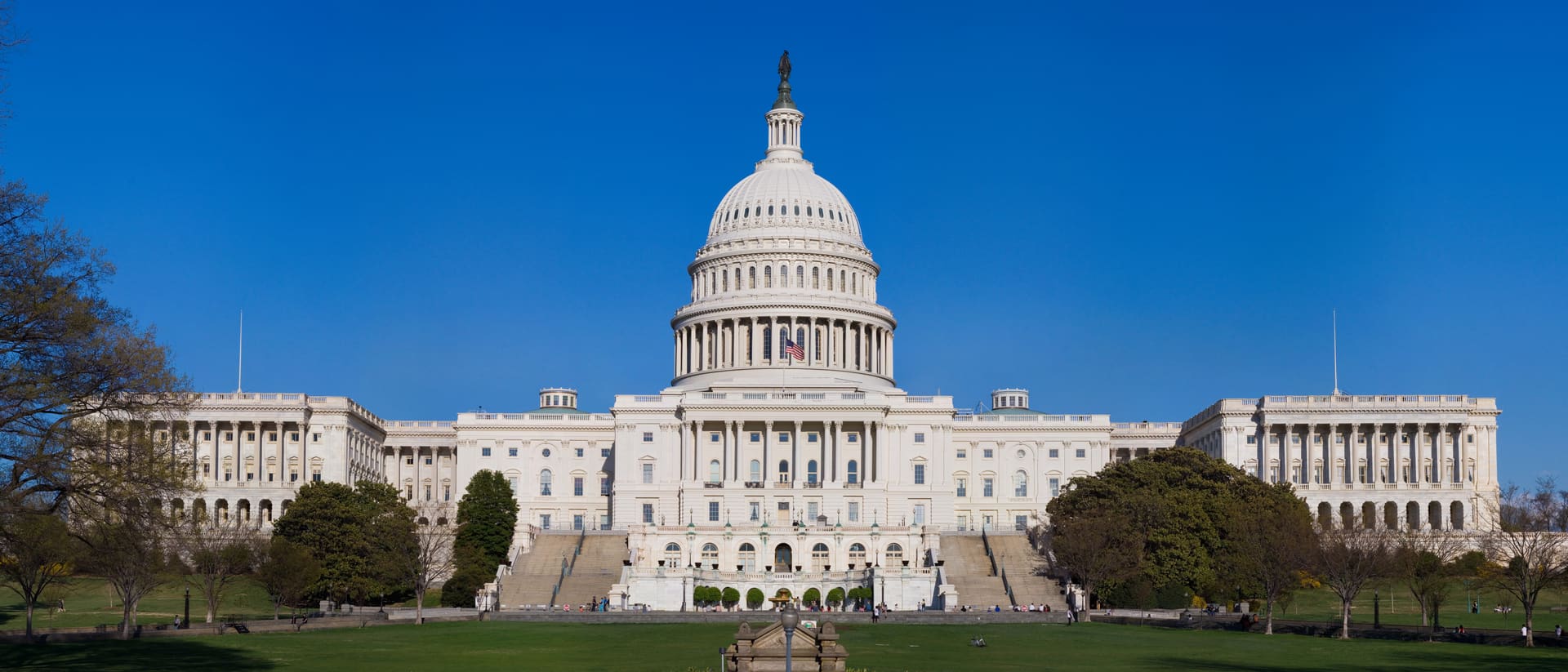
The United States Capitol in Washington, D.C., seat of the House Oversight Committee. Photo: Noclip via Wikimedia Commons (public domain). Source
House Oversight Chairman James Comer is expanding an investigation into insider trading on prediction markets, sending new letters on September 29 to three more platforms. The committee said in its release that Comer wrote to the chief executives of Hyperliquid Labs, Crypto.com and Aristotle Exchange, which owns PredictIt, seeking documents on how they verify account owners and how they find and stop insider trading. CNBC reported that the letters were first shared with its newsroom.
"As online prediction platforms grow and become more mainstream, some bad actors have exploited the platforms to make thousands of dollars by placing bets based on nonpublic information," Comer said in the committee statement. The committee is asking whether the platforms are meeting their legal obligations and doing enough to catch insider trading before it happens. Each company was asked to explain its know-your-customer policies and its internal procedures for detecting, investigating and reporting suspicious trading.
The letters mark the second wave of a probe Comer opened in May into Kalshi and Polymarket, the two largest prediction market platforms. That earlier investigation asked how the companies verify domestic and foreign account holders, enforce geographic restrictions and monitor suspicious activity. To date the committee has received nearly 1,000 documents and five briefings from representatives of the two companies, the release says. A committee spokesperson said the original investigations are still running.
The May letters went to Polymarket chief executive Shayne Coplan and Kalshi chief executive Tarek Mansour and asked how the companies verify domestic and international account holders and enforce geographic restrictions. The committee said internal records held by the platforms are the only means to identify bad actors and judge whether the companies meet their legal obligations. That release also cited a May 2025 episode in which a gubernatorial candidate placed a 200-dollar wager on his own race through Kalshi while three other politicians bet on contests involving their own campaigns.
The Hyperliquid letter points to a specific trade. Comer cited reports of a large short position opened on the platform within minutes of an October 2025 presidential announcement on tariff policy that was not public when the position was established. "This transaction, precisely timed to a nonpublic government decision, executed on a platform with apparently no identity verification or mechanism to refer the responsible party to U.S. law enforcement, mirrors a pattern of insider trading the Committee is investigating," Comer wrote, according to CNBC. Bankless gave the same account of the tariff-episode short in its report on the expanded probe.
The investigation follows several public cases of suspiciously timed trades. In April, a United States soldier was arrested on claims he used inside information to place Polymarket bets on the ouster of former Venezuelan leader Nicolas Maduro, netting about 400,000 dollars. The committee's May release on the original probe put the alleged profit above 409,000 dollars and tied the wagers to classified information about the operation that led to Maduro's capture. A May investigation by the New York Times, as cited in the committee's earlier release, found more than 80 Polymarket users had placed bets with suspicious characteristics, including trades made hours before undisclosed American and Israeli military operations against Iran.
Kalshi's own enforcement actions have added to the record. Former Representative George Santos allegedly used Kalshi to bet on whether he would appear at the February State of the Union address while making public statements suggesting he would attend. Kalshi permanently banned Santos in August and fined him 71,356 dollars. Both Kalshi and Polymarket strengthened their internal insider trading rules earlier this year.
Prediction markets let users buy and sell contracts tied to the outcome of future events, from sports games to elections and in some cases war and other global events. They have drawn closer attention from lawmakers as trading volumes have grown. Comer has said the pattern of cases could lead Congress to consider additional rules for insider trading on the platforms, Bankless noted.
Spokespeople for Hyperliquid, Crypto.com and Aristotle Exchange did not immediately respond to requests for comment on Tuesday, the report says. The committee published the three new letters alongside its release.