Loading article...

CSD BR and Ripple said on September 29 that the Brazilian depository will copy ownership records for BTG Pactual fund shares onto the public XRP Ledger while its own systems remain the official record.
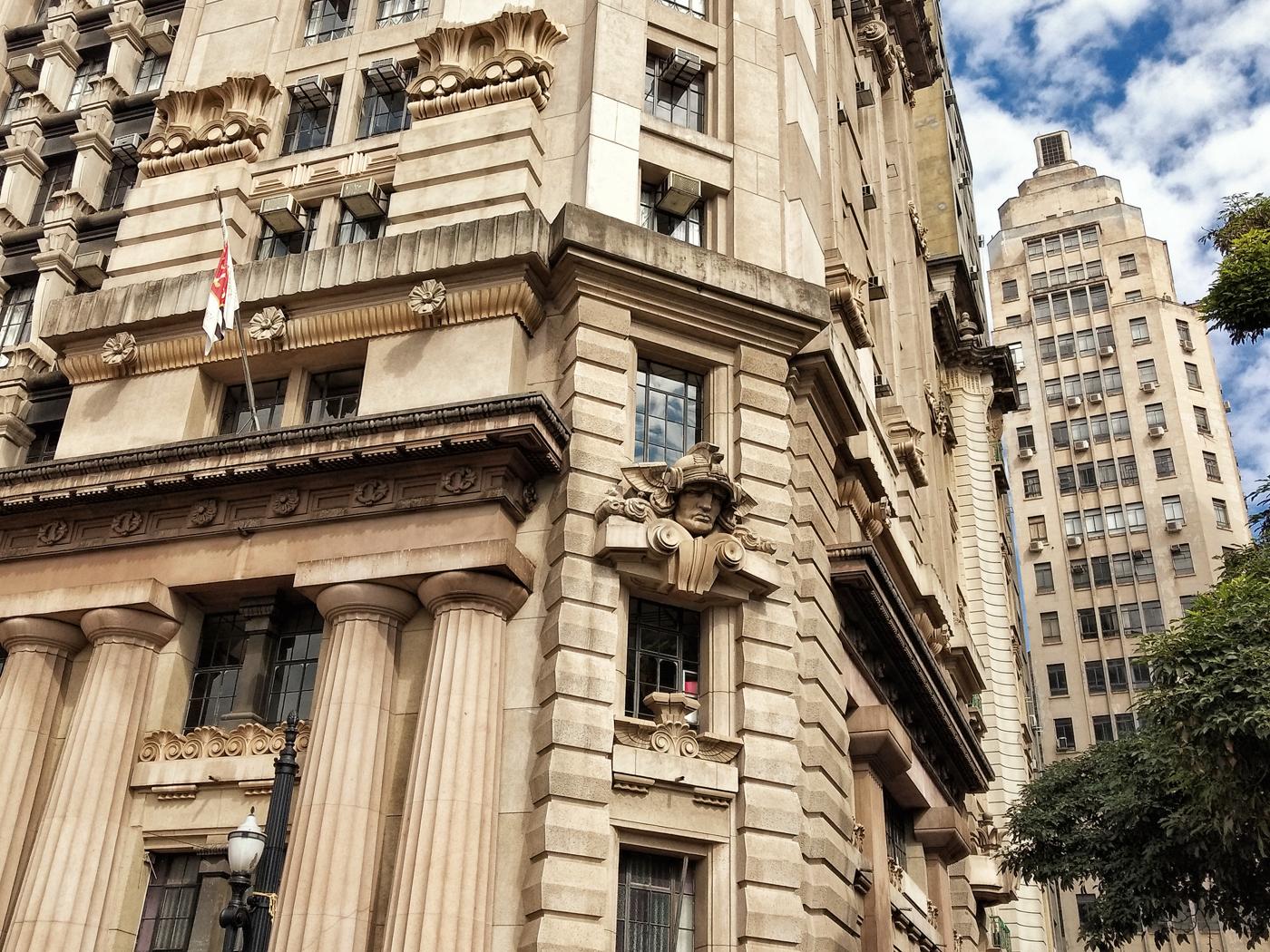
Detail of the Palacio do Cafe in Sao Paulo, built in 1933 to house Brazil's first commodities exchange. Photo: Diego Torres Silvestre via Wikimedia Commons (CC BY 2.0). Source
CSD BR, a Brazilian central securities depository with more than 22 trillion reais in registered assets, will begin keeping a copy of fund ownership records on the public XRP Ledger under a partnership with Ripple announced on September 29. The companies said in the announcement that the depository will mirror securities ownership on the ledger while its own systems stay the official source of record for registration, deposit and settlement. Unchained put the registered-asset figure at about 4.2 trillion dollars.
The companies describe the project as the first time a central securities depository will use a public blockchain to mirror records of who owns which securities. Silvio Pegado, Ripple's managing director for Latin America, called the move from tests to live record keeping in a national capital market a milestone for the industry in the release. CSD BR operates regulated registration, depository and settlement systems and is authorized by Brazil's central bank and its securities regulator, the CVM.
The first phase covers shares in investment funds run by BTG Pactual, Latin America's largest investment bank, that are held at CSD BR. Those shares will be tokenized with the XRP Ledger's Multi-Purpose Token standard, and approved participants will be able to check the onchain copy against the official records in near real time, according to the release. CoinDesk reported that the assets themselves are not moving onto the ledger. Fund shares deposited with CSD BR will also be represented as tokens there, while the depository's database keeps the final legal say.
A depository holds the official list of who owns which securities. When an investor buys into a fund, the depository updates its records while the banks acting for investors keep their own books and check them against the depository's. That matching work is slow and costly, and a mismatch can hold up a trade. CoinDesk's account of the project explains that approved banks and companies will be able to read the blockchain copy directly and compare it with CSD BR's database at any moment instead of reconciling their own books after the fact.
The setup keeps strict controls around who can hold and move the tokens. Only corporate and banking clients in Brazil that pass know-your-customer and anti-money laundering checks can take part, and CSD BR keeps control over issuing and administering the tokens. That includes approving participants, freezing individual assets and reversing transactions when a regulator or court orders it. Ripple supplies the custody infrastructure for the arrangement.
The model was built inside Brazil's current rules, so it needs no new regulatory approvals and does not change the legal duties of participants, the companies said in the announcement. "We chose to start with record mirroring because it is the safest and most responsible way to introduce a new technology into critical market infrastructure," Daniel Polano Spreafico, CSD BR's head of products and clients, said in the release. He added that current processes stay unchanged for investors, issuers and participants during this phase.
BTG Pactual framed its role as a direct contribution to applying blockchain technology to the fund market inside regulated infrastructure with live transactions. "Mirroring fund shares creates a concrete foundation for future developments while preserving current processes and the official record of the assets," Luis Furtado, the BTG Pactual partner responsible for market infrastructure, said in the release. Unchained noted that Ondo Finance, JPMorgan's Kinexys unit, Mastercard and Ripple completed a cross-border redemption of a tokenized United States Treasury fund on the XRP Ledger in May, which gives the ledger a recent precedent for regulated-asset work.
The larger change would come later. Once the mirroring phase is validated, the partners plan to test issuing assets directly on the ledger and letting approved participants trade them there. Candidates for those later phases include two established parts of Brazil's fixed income market: certificates backed by real estate receivables, known as CRI, and certificates backed by agribusiness receivables, known as CRA. Trades that settle directly on a blockchain can finalize in seconds, against the day or more that ordinary securities trades can take.
The platform's later stages would also add confidentiality tools to meet the privacy needs of the financial market. Although the first phase covers Brazilian assets and institutions, the companies said the model was designed to allow expansion to new asset classes, new participants and potentially other international markets.