Loading article...

Visa told processors including Checkout.com to stop coding Crossmint-powered meme coin buys as digital media, ending credit card rewards on those purchases after a grace period expected to end next week.
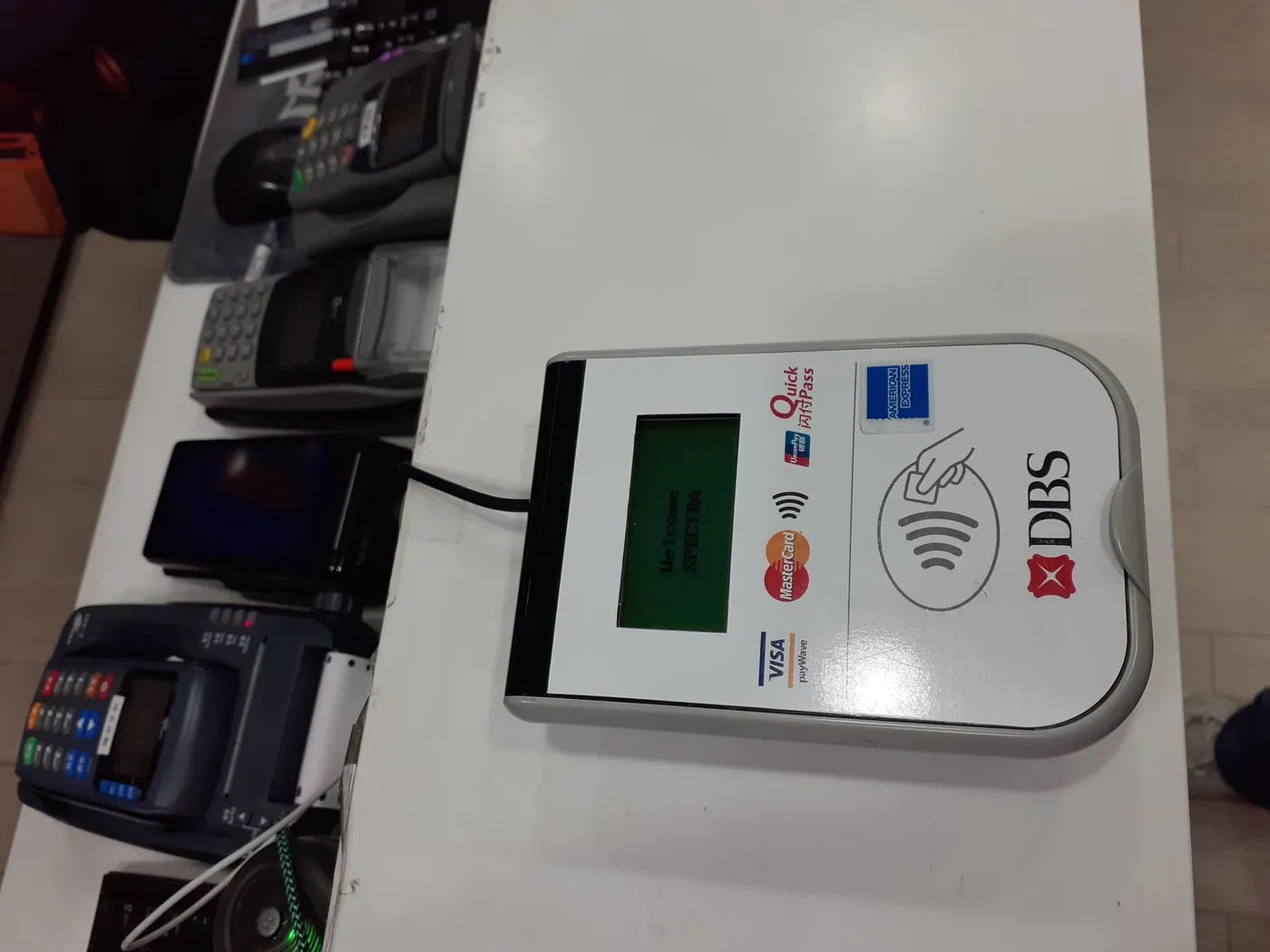
A shopper pays with a Visa card at a store counter in Hong Kong. Photo: Gunguti Hanchtrag Lauim via Wikimedia Commons (CC BY-SA 4.0). Source
Visa is moving to close a checkout loophole that let buyers earn ordinary credit card rewards on meme coin purchases, Eleanor Terrett reported in Decrypt on Sept. 20. The workaround ran through Crossmint, a crypto payments infrastructure company, and coded Visa credit card buys of meme coins under a merchant category meant for ordinary digital media.
"The message to the crypto industry is clear: Stop being cute, stay in your lane and use the appropriate codes," a source familiar with the matter said, in an account published through the newsletter Crypto In America. The quote captures how the card network views the miscoding: not as a clever reading of the rules, but as use of the wrong code.
Visa told at least one industry participant that the digital-goods-media code is not appropriate for meme coin purchases, the newsletter wrote after reviewing the correspondence. The company has also informed payment processors, including Checkout.com, that the code will no longer be accepted for those transactions. Processors have a grace period to wind down the practice, expected to end next week.
Once that window closes, meme coin buys must run as crypto transactions under Visa crypto rules. The purchases themselves are not going away, but the standard points or cash back attached to them probably are. That distinction decides who feels the change: traders keep access, while rewards collectors lose the perk.
The move follows a Sept. 1 investigation by The Block, which found that users of the Robinhood Wallet and Fomo apps could buy meme coins with credit cards through Apple Pay or Google Pay without completing a separate KYC step. Its test purchases were powered by Crossmint and made with both Visa and Mastercard credit cards. They were coded as digital goods media, the category stores use for e-books, movies and music, rather than as crypto transactions.
Because the buys looked like ordinary purchases on card statements, customers could earn normal credit card rewards on them. The buyers reached the checkout through wallets they already used: the test runs used Visa and Mastercard credit cards connected to Apple Pay or Google Pay, and the crypto checkout asked for no separate identity check of its own. The payment entered the card rails coded as digital goods media, so the label on the transaction decided how it was treated behind the scenes. Crypto buys often face different approval handling than ordinary retail spending, and a wrong label therefore reaches beyond points.
Chase told The Block that one Visa transaction had not been flagged as a crypto buy, carried the wrong merchant category code and should not have earned rewards. The bank then opened a case with Visa disputing the classification. The New York attorney general office said it was aware of the matter and reviewing it.
The timeline shows how fast the episode moved from testing to enforcement. The investigation was published on Sept. 1, describing test buys in the two apps and the digital-media coding behind them. The bank challenge and the regulator review followed, and by Sept. 19 and Sept. 20 the processor letters were being reported across crypto press. Phemex News dated its account of the crackdown Sept. 19, a second version followed on Sept. 20, and Yahoo Finance carried the same account that day. Decrypt had framed the bank win from the start as a narrower victory in a separate fight over credit card rewards on crypto purchases.
Crossmint defended the setup by pointing to a 2025 SEC staff statement that described certain meme coins as akin to collectibles rather than securities, according to that account. Visa does not accept that reading for payment processing. A securities-law label and a card-network category answer different questions, and the network has now given its answer.
JPMorgan forced the issue. Phemex News said on Sept. 19 that the bank flagged the miscoding to Visa and that a review confirmed at least one transaction was incorrectly categorized. The outcome was described as a narrower win for the bank. The context is a wider loss: banks had pushed for tighter limits on stablecoin rewards in the Clarity Act, which failed to advance in the Senate this week, and came away empty-handed there.
For buyers, the practical change is narrow but direct. Meme coin purchases will continue, but they must be processed as crypto transactions subject to Visa crypto rules and restrictions. Traditional points or cash back tied to ordinary spending categories will no longer attach once processors complete the switch. One write-up put the same conclusion in plainer terms: future buys face crypto classification, ending eligibility for traditional card rewards.
Terrett writes the Crypto in America newsletter, which carries the full account of the Visa correspondence, as noted on the newsletter site. Neither Visa nor Crossmint immediately responded to requests for comment. Checkout.com is among the processors told the digital-media coding will no longer be accepted. Once the deadline passes, transactions that still carry the old code will not be accepted under the new instruction, and the grace period to wind it down is expected to end next week.