Loading article...

The Bank of Russia added Sberbank to its crypto exchange register on Oct. 12, and the bank plans to offer crypto trading through familiar app interfaces from Dec. 1.
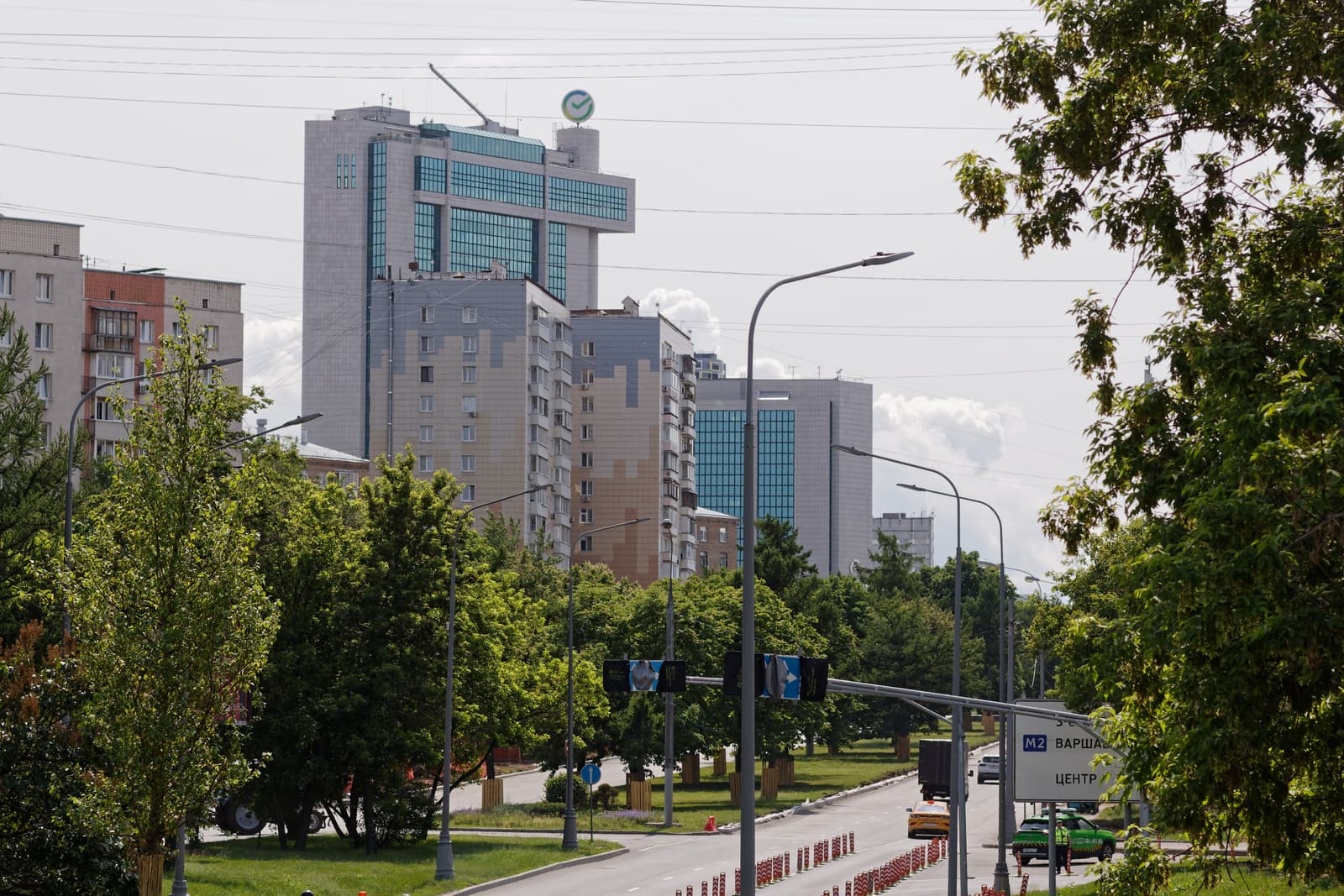
A Sberbank building in Moscow. Photo: Retired electrician via Wikimedia Commons (CC0). Source
Russia's largest bank can now run a crypto exchange business. The Bank of Russia put Sberbank on its register of cryptocurrency exchange operators on Oct. 12, according to an Interfax report cited by CoinDesk. The listing came days after the bank joined the digital depository register earlier this month, giving it both of the new licensed roles under Russia's crypto framework.
The two registrations cover different jobs. Registered dealers can buy and sell crypto with their own funds outside organized exchanges, while depositories record who owns what, the central bank has said. Together they give Sberbank a route to offer trading alongside custody-related services. The bank has also been working on a crypto wallet since earlier this year, and the central bank will set the final list of permitted coins.
Moscow is moving on parallel tracks. The Moscow Exchange plans to let clients trade crypto from December and has been testing operations with professional participants for about a week, a senior executive said, according to Bitcoin Magazine. The venue will work through a partner settlement depository and says it needs no additional permits to launch.
Sberbank plans to roll out its first crypto products on Dec. 1 through interfaces its customers already use. The launch will run through SberBank Online, SberInvestments and SberBusiness, with bitcoin, ether and Tether's USDT planned, Cointelegraph wrote. The status will let the bank provide services tied to digital currency circulation on familiar screens, Sberbank said, according to Interfax as relayed by Unchained. The bank is already testing purchases, sales, deposits and withdrawals inside its app, Vedomosti reported, citing the bank's press office, though the final launch timeline depends on further central bank rules.
The Bank of Russia's register dated Tuesday lists 10 authorized exchange operators and six digital custodians, up from four and five a week earlier, Cointelegraph noted. The lists pair major lenders Sberbank and VTB with nonbank firms such as T-Invest Lab and Atomyze. Sberbank was among the first companies to secure custodian status last Tuesday.
The first admissions came on Oct. 6 with VTB, T-Invest Lab, Zefir and Sistema-Crypto, and the list has grown since with Professional Bank, RNKO Finpilot, Moy Bitkoin, Khlynov Bank and Paradise Technology joining across Oct. 8 to Oct. 12. T-Invest Lab belongs to T-Technologies, the group behind T-Bank.
The depository listing came on Oct. 6, when the central bank named its first digital depositories. Interfax counted five members on that register, including VTB and Atomyze, while the central bank's own decision pages show a sixth, TT LLC, added on Oct. 12. The bank has been preparing crypto trading infrastructure for the December launch.
Rival VTB expects to open retail crypto trading through its VTB My Investments app in November and to launch its own exchange in December, Interfax reported.
Under the regime that began on Sept. 1, brokers, trustees and exchanges that could already handle crypto deals keep those roles, while two new licensed roles were created: exchange operators that buy and sell crypto on their own account, and depositories that track who owns what. The central bank floated the simplified notification idea in March, and applications opened on Oct. 5, according to Unchained. Both banks are moving under a law that took effect Sept. 1 and replaces the central bank's earlier hostility with a regulated market of banks, brokers, exchanges and depositories. In 2022 the Bank of Russia had proposed banning domestic crypto exchanges and barring financial intermediaries from touching crypto.
The opening comes with tight limits. Domestic crypto payments stay banned. Retail investors without qualified status can buy only bitcoin, ether and USDT, capped at 300,000 rubles a year per intermediary, while qualified investors face no ceiling, according to Unchained. From July next year the central bank says crypto deals must pass through registered intermediaries, which would shut out peer-to-peer trades settled through Russian bank accounts. Firms already on the registers have until Sept. 1, 2027 to meet every requirement.