Loading article...

Standard Chartered now offers institutional custody of Ripple's RLUSD on the XRP Ledger through its Dubai branch and plans to let clients post the token as trading collateral on LMAX without moving it.
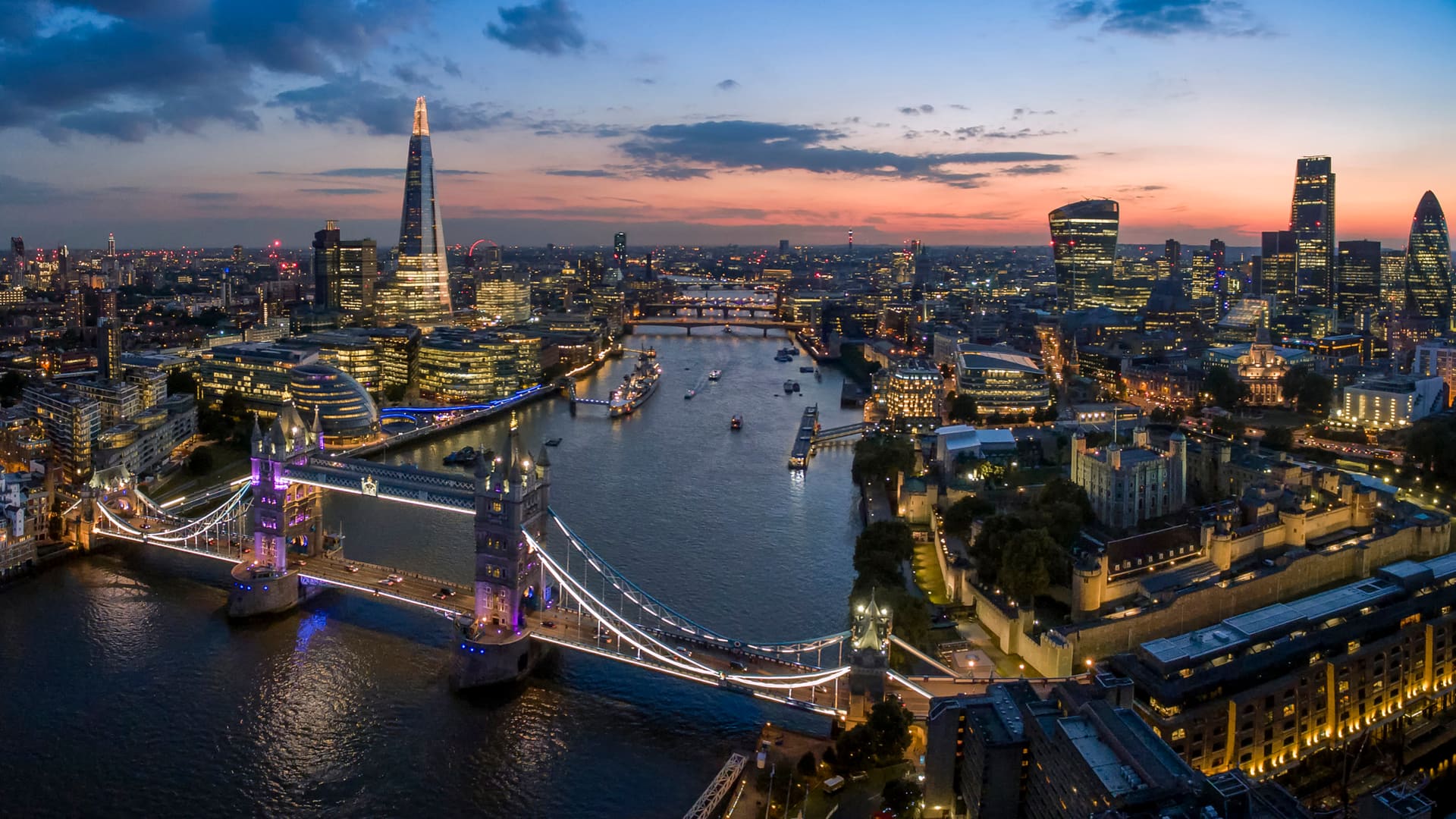
London skyline. Photo: Ilya Grigorik via Wikimedia Commons (CC BY-SA 3.0). Source
Standard Chartered now holds Ripple's dollar-pegged RLUSD stablecoin for institutional clients in Dubai and plans to let them use it as trading collateral without moving the tokens to an exchange. The bank announced on Oct. 12 that custody of RLUSD issued on the XRP Ledger is live through its DIFC branch, which is regulated by the Dubai Financial Services Authority.
The custody service gives eligible clients access to the bank's digital asset custody setup for the token. Decrypt wrote on Oct. 12 that the service covers the XRP Ledger version of RLUSD, which Ripple launched in December 2024 on both Ethereum and the XRP Ledger.
The second half of the plan involves LMAX Group, the London-based venue for currencies and crypto. The bank, Ripple, and LMAX intend to make RLUSD eligible collateral for agreed LMAX products across trading and collateral management. Under the model, described as collateral mirroring, the tokens stay at Standard Chartered while LMAX receives a mirrored record of their value that counts toward the client's trades.
The point is to split custody from execution. A trader's collateral sits at the bank while its value backs positions on the venue, which cuts transfer-related operating risk and keeps counterparty exposure in one place. CoinDesk reported on Oct. 12 that clients would not need to transfer the stablecoin to the venue for it to back their trades.
Waqar Chaudry, the bank's global head of digital assets for securities and transaction services, said institutional clients want to take part in digital asset markets without giving up safeguards or risk controls. The ecosystem has to make it simpler to hold assets securely, reach liquidity, and place collateral inside trusted setups, he said in the release. Luke Dorney, head of custody for digital assets at LMAX Group, called RLUSD an increasingly important part of institutional digital asset markets and said the mirroring model gives clients more choice in how they hold and place the token. Jack McDonald, Ripple's senior vice president for stablecoins, said the token was built for institutional use and that the combination creates a practical path for putting stablecoins to work across markets.
The LMAX leg is not live yet. The bank said the planned capabilities remain subject to final documents, successful testing, applicable laws and regulations, internal approvals, and readiness in each jurisdiction. No date was given for when clients can start posting RLUSD as margin.
RLUSD is backed by dollars, Treasury bills, and cash-like assets and is designed to hold a value of one dollar. It has grown to about 2.45 billion dollars in market value, still under 1 percent of a stablecoin market worth near 306 billion dollars, Decrypt noted. The token received approval from Dubai's regulator in June 2025.
The move extends Ripple's push to place RLUSD inside institutional trading setups. Ripple provided LMAX with 150 million dollars in financing in January as part of plans to embed the token in the group's infrastructure, including for institutional trading, according to CoinDesk. Joseph Goh, head of Asia-Pacific at crypto investment bank Areta, told that outlet that regulated custody tied to a global systemically important bank is becoming some of the most valuable infrastructure in digital assets.
Standard Chartered has been building that business for two years. It has offered crypto custody in Dubai since 2024, and in July it said it became the first global systemically important bank to let institutions mint and redeem Circle's USDC directly, Decrypt wrote. Last week the bank said it planned to offer clients in Singapore custody for selected coins, stablecoins, and tokenized real-world assets, after fully acquiring Zodia Custody earlier this year. In August it became the first bank to distribute one of Hong Kong's two regulated stablecoins. The bank holds nearly 450 billion dollars in assets under management, CoinDesk reported.