Loading article...

A federal judge acquitted Anton and James Peraire-Bueno of wire fraud and money laundering charges on Nov. 16, 2026, finding prosecutors never proved a material misrepresentation in their 2023 exploit of sandwich-trading bots.
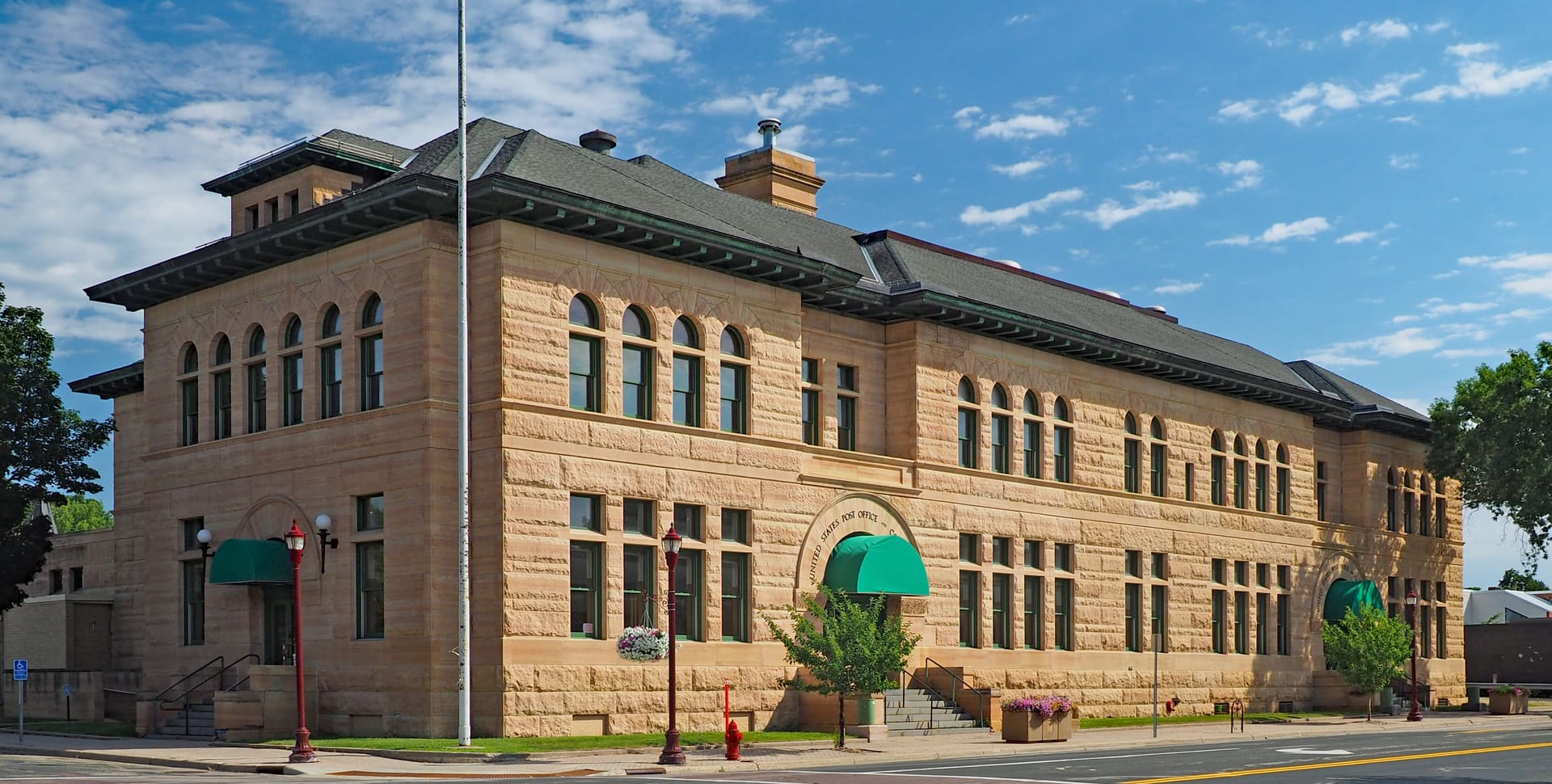
A federal courthouse and post office. Photo: McGhiever via Wikimedia Commons (CC BY-SA 4.0). Source
U.S. District Judge Jessica G. L. Clarke acquitted Anton and James Peraire-Bueno on all remaining counts on Nov. 16, 2026, ruling that the government never proved the material misrepresentation that wire fraud requires. The order ends the criminal case against the MIT-educated brothers over an April 2023 Ethereum exploit that prosecutors said took about $25 million from automated trading bots in roughly 12 seconds.
The 46-page opinion and order, filed in the Southern District of New York under docket 24-CR-293, grants the brothers' Rule 29 motion for judgment of acquittal on wire fraud, conspiracy to commit wire fraud and conspiracy to commit money laundering. "Because the Government failed to prove that the Peraire-Buenos made any material misrepresentations in the execution of their scheme, the motion is granted," Clarke wrote. The clerk was directed to close the case.
Clarke framed the question narrowly. "The question before the Court is not whether the Peraire-Buenos' conduct was right or moral, or even whether it violated uncharged crimes," she wrote. "It is simply whether the evidence at trial, construed in a light most favorable to the Government, could support wire fraud and related convictions in this case."
The scheme, which the government called Omakase, ran on April 23, 2023. According to the ruling, the brothers posted lure transactions to draw sandwich-trading bots, then exploited a coding vulnerability in the MEV-Boost relay that let them see trades the bots believed were private. They replaced the bait with their own transactions, and the bots lost about $25 million in seconds. Flashbots patched the relay code within a day, Unchained reported.
Prosecutors indicted the brothers in May 2024 on three counts: conspiracy to commit wire fraud, wire fraud and conspiracy to commit money laundering, the opinion stated. A fourth count of conspiracy to receive stolen property had been dismissed before trial. Their nearly four-week trial in late 2025 ended in a mistrial after jurors failed to reach a unanimous verdict, Decrypt wrote. The acquittal came on the renewed motion for judgment of acquittal, not a second trial.
In the opinion, Clarke rejected each government theory for what made the scheme fraudulent. The lure transactions made no promise about where they would land on the blockchain, and they were published to the chain within about a minute, so they were not false signals of intent to trade. She declined to treat the conduct as spoofing, noting that Ethereum is not a regulated market with rules barring that practice. Evidence that the brothers hid their identities afterward went to intent and could not stand in for a false statement, she wrote.
The money laundering conspiracy count depended on proceeds of the charged wire fraud. With the fraud counts gone, that count fell as well, the court held. In a footnote, Clarke wrote that the prosecution "raises serious due process concerns," though she declined to rule on that question, Decrypt reported.
Defense counsel welcomed the result. Daniel Marx of Fick & Marx, who represents Anton, said in a statement the ruling showed the brothers "never lied to anyone about their trading activity," Unchained reported in citing a Reuters account. Katherine Trefz of Williams & Connolly, who represents James, called it "the just and correct outcome," the same report said. Williams & Connolly later announced the Nov. 16 judgment of acquittal on all charges for its client.
Cointelegraph quoted Coin Center executive director Peter Van Valkenburgh calling the acquittal "excellent news," arguing that the government's honest-validator theory risked letting prosecutors impose their own standards of conduct on Ethereum validators through wire fraud law. Clarke's opinion cited a 2025 decision in the same district that acquitted Mango Markets trader Avraham Eisenberg for lack of a false statement, Unchained noted.
The ruling decides only the charged offenses. Clarke wrote that the case was not about whether the brothers' conduct "was improper, objectionable, or even despicable." Nor, she added, was it about whether that conduct "departed from traditional notions of fundamental honesty and fair play." The clerk terminated the remaining docket entries and closed the case on Nov. 16, 2026.