Loading article...

Malaysia's central bank launched SSDS+, a distributed-ledger platform for issuing, depository and safekeeping of tokenized bonds and Islamic sukuk, integrated with the RENTAS+ payment system for around-the-clock settlement.
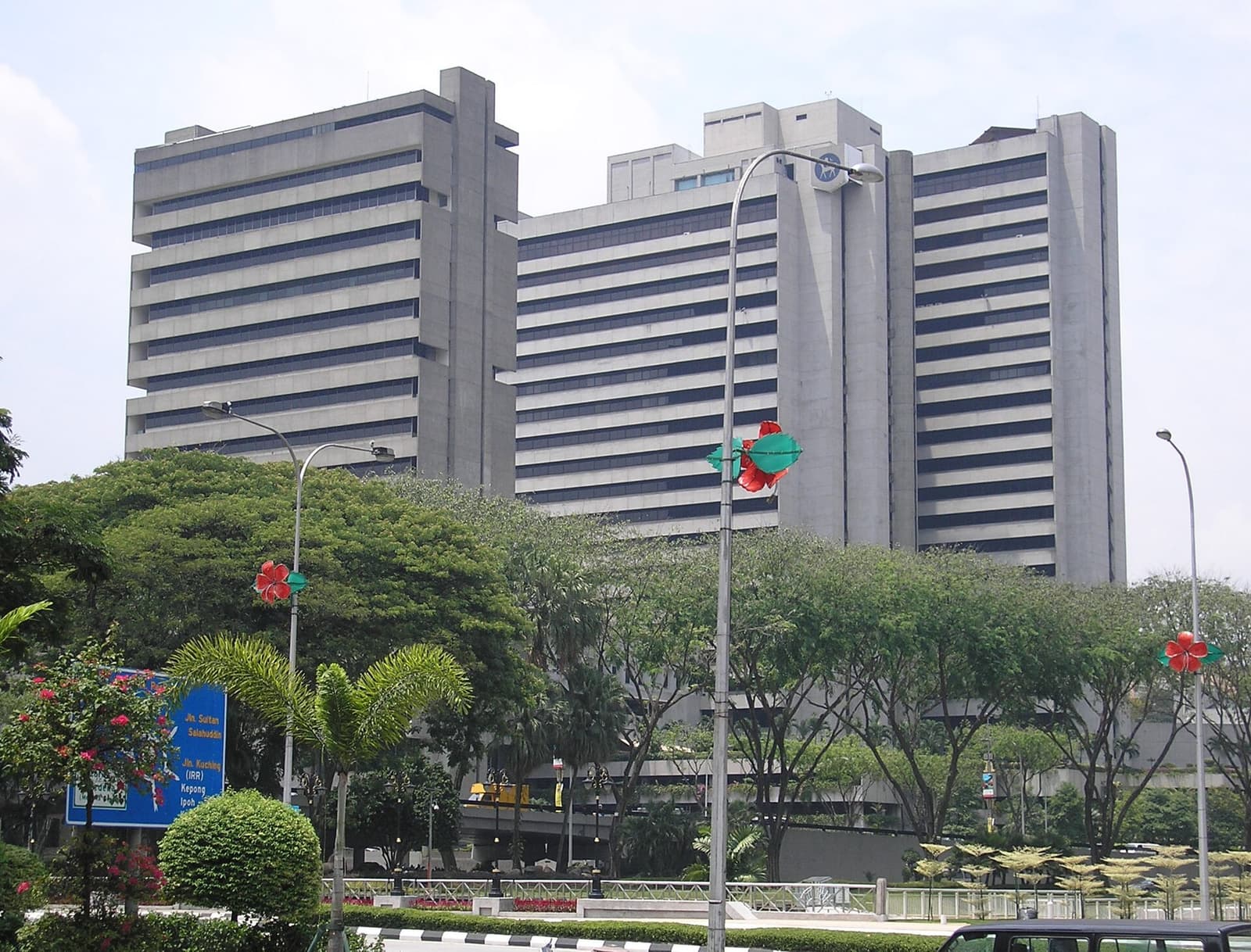
Central Bank of Malaysia headquarters in Kuala Lumpur. Photo via Wikimedia Commons. Source
Bank Negara Malaysia launched SSDS+ on Oct. 20, a next-generation platform for the issuance, depository and safekeeping of tokenized bonds and Islamic sukuk, the central bank said in a press release embargored for 17:00 local time that day.
Cointelegraph reported the launch on Oct. 21. The announcement did not identify any securities already issued through the platform or disclose transaction volumes.
SSDS+ represents securities digitally and is designed to simplify transactions, allow more flexibility in instrument design, and broaden access to investment opportunities, according to BNM. The platform was developed in-house using cloud and distributed-ledger technologies and builds on the existing Scripless Securities Depository System, the central securities depository for Malaysia's wholesale financial market.
In addition to wholesale issuances, BNM said SSDS+ is ready to support tokenized government bonds and corporate retail bonds. That dual readiness means the same depository infrastructure is intended to serve both institutional primary issuance and a retail channel for corporate debt, although the bank has not said which path will carry the first live securities.
The platform is integrated with RENTAS+, the Real Time Electronic Transfer of Funds and Securities system. SSDS+ manages tokenised securities transfer and ownership records, while RENTAS+ handles the corresponding payment for bond purchases in central bank money. The pairing is designed to enable secure payment and settlement services around the clock, which removes the constraint of traditional market hours for the payment leg of a bond trade.
BNM Governor Dato' Sri Abdul Rasheed Ghaffour said the launch "marks a major milestone in modernising Malaysia's financial market infrastructure" and that the two platforms provide "a secure, faster, more flexible and digitally-enabled foundation for new use cases in securities and payments."
The rollout follows a three-year asset tokenization roadmap BNM unveiled in November 2025, which covered pilot projects in Islamic finance, supply-chain financing and programmable payments. Islamic bonds, or sukuk, are a core part of Malaysia's capital markets, so a tokenized depository that explicitly supports sukuk issuance is a direct extension of that existing market structure rather than a parallel experiment.
In February, the central bank tested ringgit stablecoins and tokenized bank deposits through its Digital Asset Innovation Hub with participation from Standard Chartered, CIMB Group Holding, Maybank and Capital A, according to Cointelegraph's earlier reporting. Those experiments covered deposit-token and stablecoin rails; SSDS+ is the issuance and depository layer for debt securities.
BNM has not said which issuers will use SSDS+ first, what volume has cleared the system since the launch announcement, or whether foreign investors will be able to hold the tokenized instruments under current capital-markets rules. The bank also has not published technical documentation describing the ledger design, access model for authorized participants, or how corporate retail bonds would be distributed through intermediaries.
Malaysia joins a group of central banks that have put a tokenized securities depository into production rather than remain in pilot. The launch date, Oct. 20, and the embargo time in the press release are the only timing details BNM has published so far.
Three practical questions remain unanswered in the materials BNM has released. First, which market participants are authorized to submit issuance instructions on SSDS+, and whether that role is limited to the existing set of wholesale banks and government securities dealers that already interface with the legacy SSDS system. Second, how retail corporate bonds distributed through the platform will be sold, cleared and serviced, and whether brokers will need new interfaces. Third, whether cross-border holdings of tokenized Malaysian government debt will face any additional custody steps compared with the current scripless system.
Cointelegraph's report also placed the launch against a broader regional push into tokenized wholesale market infrastructure. BNM's own release does not compare SSDS+ with other jurisdictions' platforms or set a volume target. The bank said only that the system is ready to support the instrument types it named, and that RENTAS+ will carry the payment side around the clock.