Loading article...

Federal prosecutors filed a civil forfeiture complaint targeting $84.2 million that moved through Capstone, a payments firm accused of transmitting money without a license, while Tether says its exposure through EQIBank is under 0.034 percent of group assets.
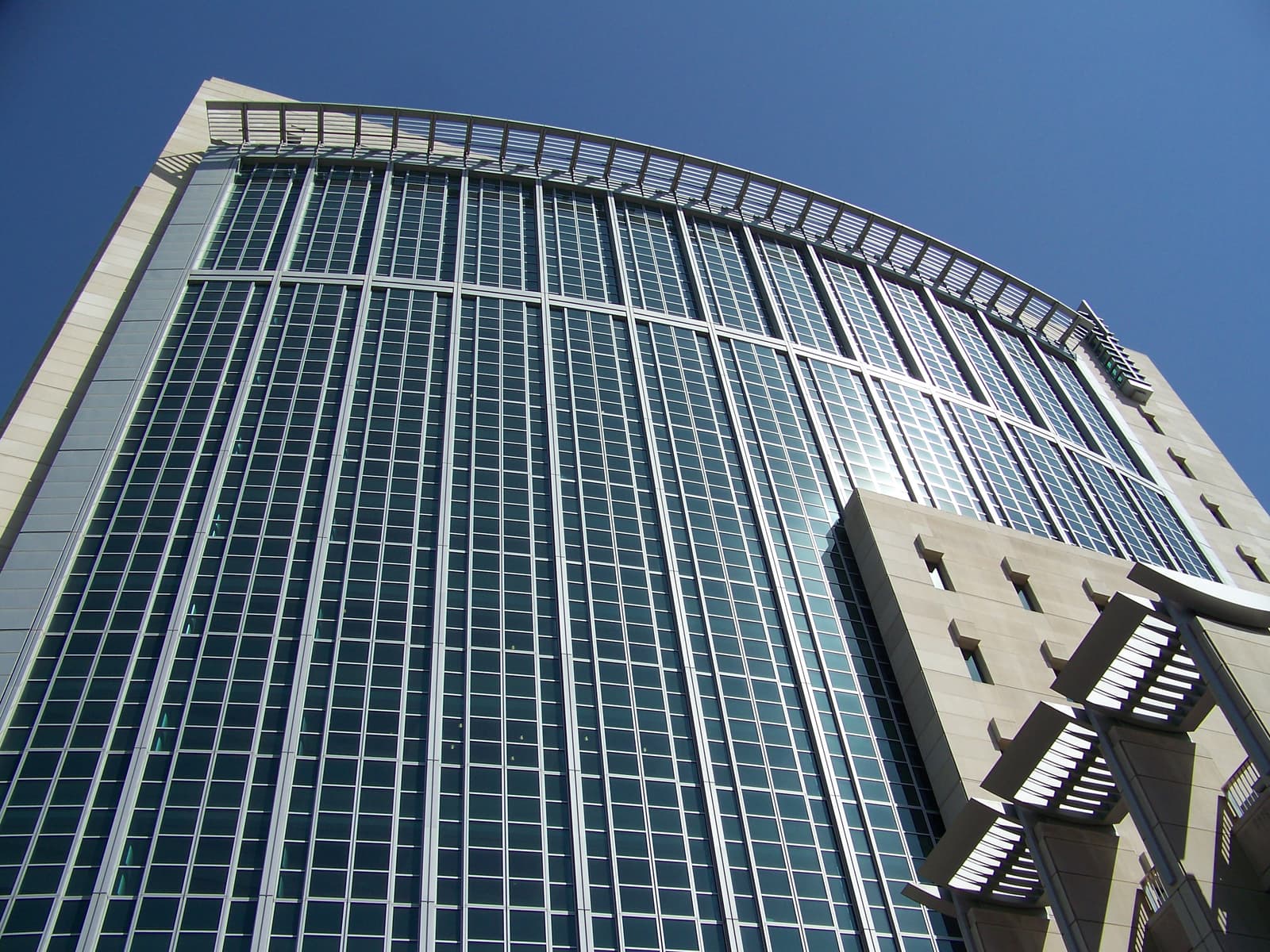
The U.S. Courthouse and Federal Building in Sacramento, California. The forfeiture case was filed in the Eastern District of California. Photo: Rojer Wisner via Wikimedia Commons (CC BY 2.0). Source
The US Department of Justice wants to keep $84.2 million that, in its account, moved through accounts used to process payments for Tether. A civil forfeiture complaint filed July 15 in the Eastern District of California before Judge Dale A. Drozd targets Capstone Ltd., a Montana-based payments firm, Decrypt reported.
Prosecutors say Capstone operated as an unlicensed money transmitter, a business category that requires a license because it moves other people's money, in at least six states, and presented itself to banks as an ordinary IT services company. The complaint names Capstone owners Kotaro Shimogori and Mary Jeanne Thompson, and the FBI executed a search warrant at a Sacramento residence. Their attorney said the company denies any wrongdoing and hopes to resolve the matter quickly, in comments made to the Financial Times.
Civil forfeiture lets the government seize funds tied to an alleged crime without a criminal conviction against the money's owner. Of the $84.2 million at stake, $79.11 million came out of a Wells Fargo Securities account in Capstone's name on September 14. Another $2.06 million sat at JPMorgan Chase, $1.86 million in a separate Wells Fargo account, and just over $1.1 million was split across two wallets holding USDT, according to the complaint.
Behind Capstone sits EQIBank, a Dominica-licensed digital bank that prosecutors say directed how the processor moved money. EQIBank used Capstone to hold funds and move customer money through accounts at Wells Fargo and JPMorgan Chase, CoinDesk wrote, citing court filings. US prosecutors seized money from those Capstone accounts and filed the civil forfeiture case, alleging Capstone misrepresented its business to banks.
EQIBank has warned that losing the funds, roughly 80 percent of everything the bank holds, could push it into liquidation. The seized figure was put at roughly $89 million, citing the Financial Times, a higher number than the $84.2 million named in the complaint caption.
EQIBank provided banking services to Tether, including processing wire transfers linked to purchases and redemptions of USDT. That role explains why a stablecoin issuer with no accused conduct of its own is answering questions about a payments investigation.
News of the seizure broke on September 25 through the Financial Times and Reuters, which carried Tether's denial of knowledge alongside the bank's liquidation warning, in Decrypt's and CoinDesk's accounts. The Information separately reported Tether's confirmation of limited exposure without a dollar value, per the same coverage. The complaint itself had been filed two months earlier, on July 15, with the September 14 withdrawals from the Wells Fargo Securities account bringing the action into public view.
Tether confirmed EQIBank handled its USDT purchase and redemption transfers but said it had no knowledge of the conduct alleged against Capstone. "Tether had no knowledge of the conduct by Capstone alleged by the Department of Justice," a spokesperson said by email, the outlet reported. The company put assets held at EQIBank at less than 0.034 percent of group assets without disclosing an exact dollar figure. Against the $187.75 billion in group assets Tether reported for the second quarter, that ceiling implies exposure of roughly $64 million.
The disclosure does not suggest an immediate threat to USDT reserves or the dollar peg. It does show the counterparty risk inside the bank networks that stablecoin issuers use to process deposits and redemptions.
This is not the first time Tether and Bitfinex have faced prosecutors over money movement. In 2021 both companies reached a settlement with the New York Attorney General after admitting USDT was not always backed dollar-for-dollar as advertised, paying an $18.5 million fine and agreeing to stop trading in the state, Decrypt noted.
Capstone and EQIBank have filed an innocent-owner defense over the seized funds. Under Supplemental Rule G, which governs forfeiture cases, any claimant has 21 days to answer the government's complaint once a formal claim is filed with the court.