Loading article...

The CFTC and Justice Department sued Utah and its attorney general on Oct. 27 to stop state gambling-law enforcement against CFTC-registered prediction markets, making Utah the tenth state the agency has taken to court.
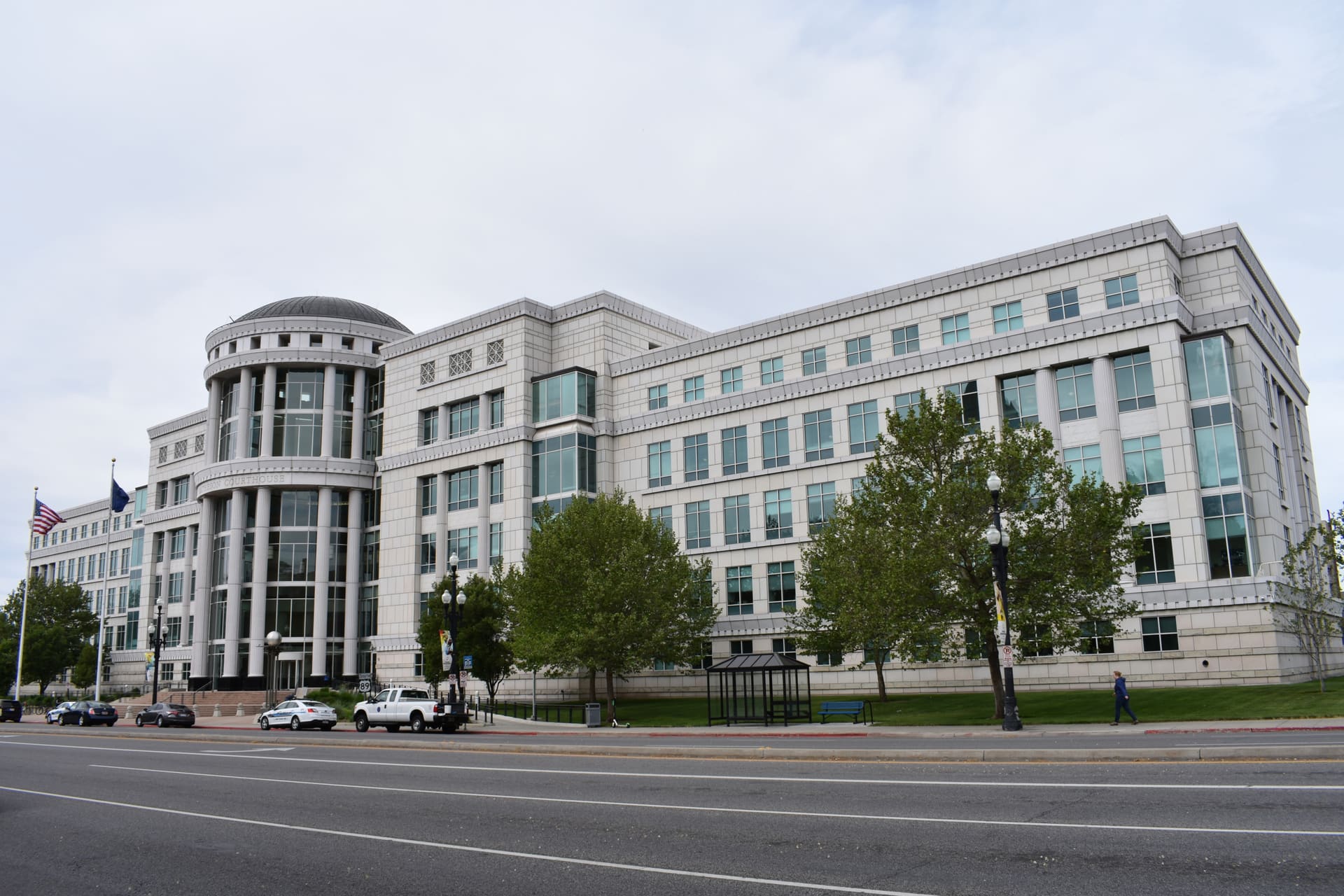
The Scott M. Matheson Courthouse in Salt Lake City, where the CFTC filed its complaint against Utah. Photo: Tamanoeconomico via Wikimedia Commons (CC BY-SA 4.0). Source
The Commodity Futures Trading Commission announced on Oct. 27 that it had filed a federal lawsuit against Utah, asking a judge to bar the state from treating CFTC-registered prediction markets as illegal gambling and to halt the attorney general's week-old case against Kalshi. The complaint, filed in federal court in Utah with the United States and the CFTC as plaintiffs and the State of Utah and Attorney General Derek Brown as defendants, argues that the Commodity Exchange Act overrides Utah's gambling and election-betting laws whenever they reach event contracts on federally registered exchanges.
The agency announced the suit the same day. "Utah seeks to shut down prediction markets across a wide variety of markets," Chairman Michael S. Selig said in the release. "Congress entrusted the CFTC to be the federal regulator with sole responsibility to oversee these markets." The CFTC said it has initiated legal proceedings against nine other states and filed briefs in four federal courts of appeal and one state supreme court. The complaint argues that Utah's effort "threatens to wipe out the operation of CFTC-regulated exchanges within the State," DeFi Rate reported from the 33-page filing.
The federal filing lands six days after Utah went after Kalshi in state court. Brown's Oct. 20 complaint, filed in Utah's Third Judicial District Court, named KalshiEX, Kalshi Trading and two Susquehanna entities and sought restitution, disgorgement and punitive damages, according to Unchained. "Kalshi runs an online casino in Utah and calls it a prediction market," Brown said at the time. Utah alleges that Kalshi collected roughly $30.6 million to $61.2 million in fees from wagers placed by Utah users and pleads unlawful gambling, public nuisance, unjust enrichment and civil conspiracy, DeFi Rate reported. The state wants a preliminary and permanent injunction, court-approved geolocation controls, and an end to contracts covering sports, elections, politics, culture and mentions.
The new federal complaint asks for a declaratory judgment and an order stopping both the Kalshi action and any future enforcement or investigations aimed at federally regulated exchanges. The agency argues that letting Utah proceed would expose exchanges to "the prospect of 50 regulators across the country" and that forcing platforms to exclude Utah residents would conflict with federal requirements for impartial market access. Unchained noted the complaint also seeks to bar similar state enforcement beyond the Kalshi case itself.
Utah is not starting from a blank record. Kalshi first sued Utah officials in February, arguing that federal commodities law prevented enforcement of the state's gambling restrictions. In August, U.S. District Judge Robert J. Shelby granted summary judgment to Utah and closed that case, holding that federal commodities law does not displace the state's gambling prohibition for Kalshi's political event contracts. On Sept. 8 the Tenth Circuit refused Kalshi's bid to pause enforcement while that appeal proceeds, both outlets reported. The CFTC's new suit brings the federal government directly into a confrontation the state has so far been winning in that courtroom.
The agency has fared better in other states. Courts entered preliminary injunctions in the federal government's favor in Arizona, Illinois and Minnesota, according to the complaint, while a Wisconsin judge found the CFTC had not shown a likelihood of success. Unchained listed Connecticut, Kentucky, New Mexico, New York, Rhode Island and Wisconsin among the states where the agency has acted and noted the CFTC moved to intervene in Kalshi's Rhode Island case. In Kentucky, the federal government, state defendants and an intervenor filed supplemental briefs Oct. 23 after the court asked for argument on the Sixth Circuit's September ruling and forthcoming CFTC rules; in New York, officials have challenged the validity of the agency's interim final rule in briefing on the federal injunction request, according to the same report.
The wider dispute has split the circuits: the Third Circuit sided with Kalshi in New Jersey, the Ninth Circuit ruled against it in Nevada, and the Sixth Circuit rejected Kalshi's bid for preliminary protection in linked Ohio and Tennessee appeals. New Jersey is asking the U.S. Supreme Court to review the Third Circuit decision, and Kalshi's response in that matter is due Nov. 9.