Loading article...

Central Bank of Nigeria rules effective Nov. 5 make foreign stablecoin issuers incorporate locally, hold up to 15 billion naira in capital and back tokens with a 2% reserve buffer.
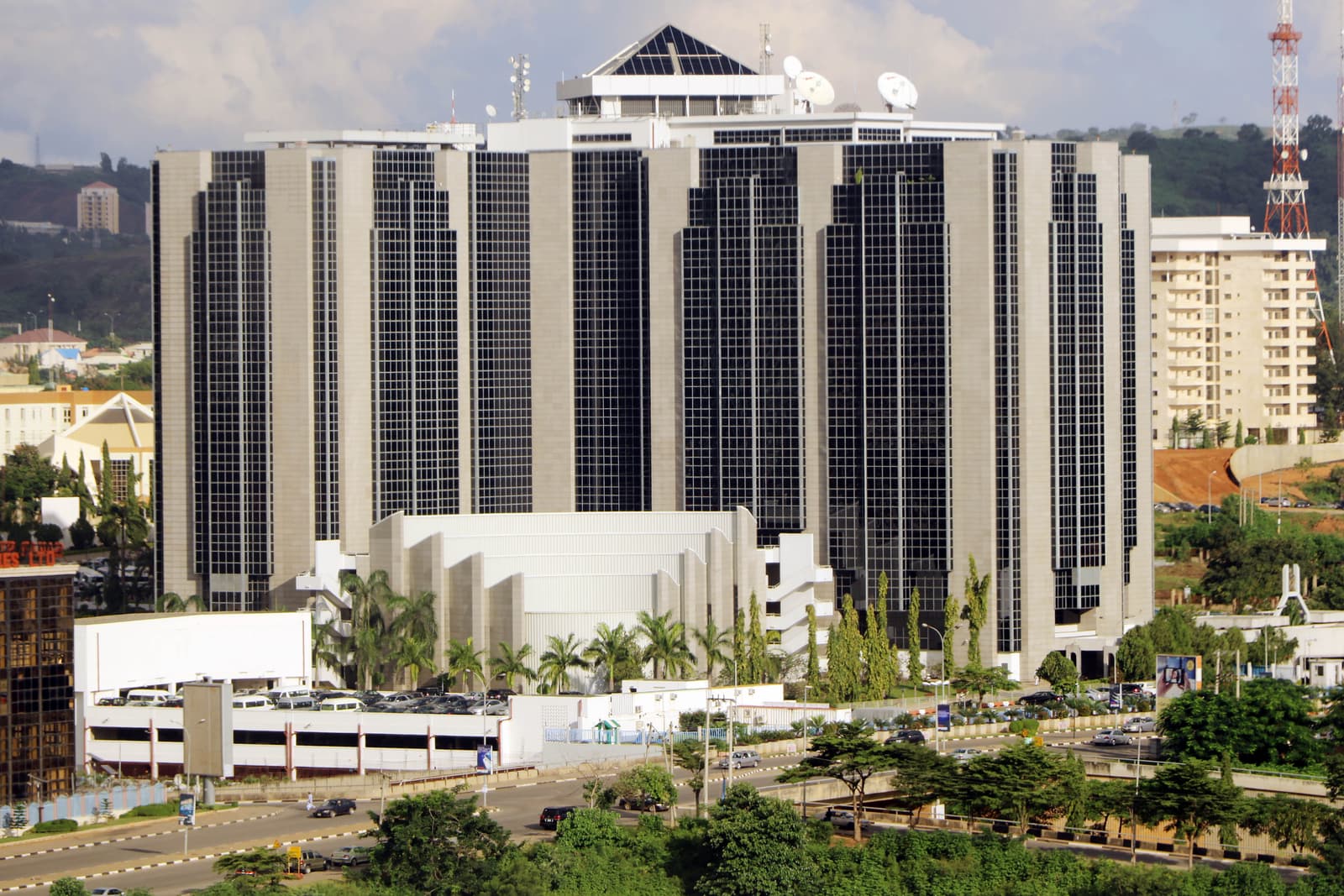
The Central Bank of Nigeria headquarters in Abuja. Photo: GodwinPaya via Wikimedia Commons (CC BY-SA 4.0). Source
Stablecoin issuers based outside Nigeria can no longer serve local users on the strength of a foreign license. The Central Bank of Nigeria brought a 169-page rulebook into force on Nov. 5 that requires any company issuing a dollar-pegged or naira-pegged token to Nigerians to be incorporated in Nigeria and licensed by the bank, according to the regulations published on the bank's website. The text states plainly that "there is no offshore issuer exemption from incorporation, licensing or capital," and that a foreign license, registration or arrangement with a Nigerian intermediary "shall not substitute for that licence or for Token Approval."
The rules split stablecoins into two classes. Naira-referenced tokens fall under a Class 1 issuer licence and need paid-up capital of at least 10 billion naira, while foreign-currency tokens such as USDT fall under Class 2 and require 15 billion naira, Unchained reported. Payment, custody, wallet and exchange firms handling those tokens need at least 1 billion naira on top of any capital the Securities and Exchange Commission sets for them. Both issuer minimums apply on entry and at all times, and the bank can prescribe higher amounts.
Tokens must be fully backed by reserves with an additional buffer of at least 2% of circulating par value, the regulations say. Class 1 issuers must also keep at least 20% of their reserve pool as a cash deposit at the central bank, Unchained noted. Issuers may not pay interest, yield or dividends to holders, and they cannot route that benefit through a service provider instead, DeFi Prime observed.
The rulebook bans algorithmic stablecoins outright, along with fiat-referenced tokens backed wholly or primarily by other virtual assets, and tokens that give holders no enforceable right to redeem at par. Operating without a licence carries a fine of not less than 100 million naira plus 1 million naira for each day the breach continues, according to the published text. Standard redemption requests must ordinarily be settled in the reference currency by the end of the following business day and must be free of charge, DeFi Prime reported; issuers that suspend redemptions must notify the central bank within one hour.
The reach of the document is broad. It applies to regulated activities carried on in or from Nigeria, directed at persons in Nigeria, or reasonably likely to have a material effect on the Nigerian payments or foreign exchange system, and it names foreign issuers whose tokens are offered or made available to Nigerian users among the parties it covers. The text adds that "an overseas location does not remove an activity directed at Nigerian persons from the scope of these Guidelines," so a token marketed into Nigeria from Singapore or Delaware is inside the regime on the day it is offered, whatever its corporate structure.
Distribution is regulated as tightly as issuance. Section 6.5 of the regulations states that "a Licensee shall not make available a stablecoin that has not received Token Approval," which covers the reference currency, reserve arrangements, name, ticker and supported blockchains. Unchained read that clause to mean a licensed platform cannot offer a dollar token such as Tether's USDT until the central bank approves the token and a licensed Class 2 issuer exists to put it out. Existing foreign-currency arrangements are being assessed against the new requirements, and keeping access during that review needs the bank's express interim permission.
Existing operators have a defined runway. The regulations give them 180 calendar days from commencement to submit a complete licence application and require registration with the bank within 30 days, plus supervisory reporting within 60 days, the text reads. Unchained calculated those deadlines as Dec. 5, 2026 for registration and May 4, 2027 for applications. An operator that misses the application deadline must cease operations until licensed.
The regulations were issued under a 2026 presidential executive order on virtual assets coordination that also created a Virtual Asset Council, while tokens that qualify as securities remain with the SEC. The central bank told banks to stop handling crypto transactions in 2021 before letting them serve licensed providers in December 2023, Unchained reported. The Class 2 registration deadline falls on Dec. 5.