Loading article...

Coinbase applied to Brazil's central bank on Wednesday under the country's new virtual asset service provider framework, joining Binance and Itau Unibanco in the Oct. 30 filing rush.
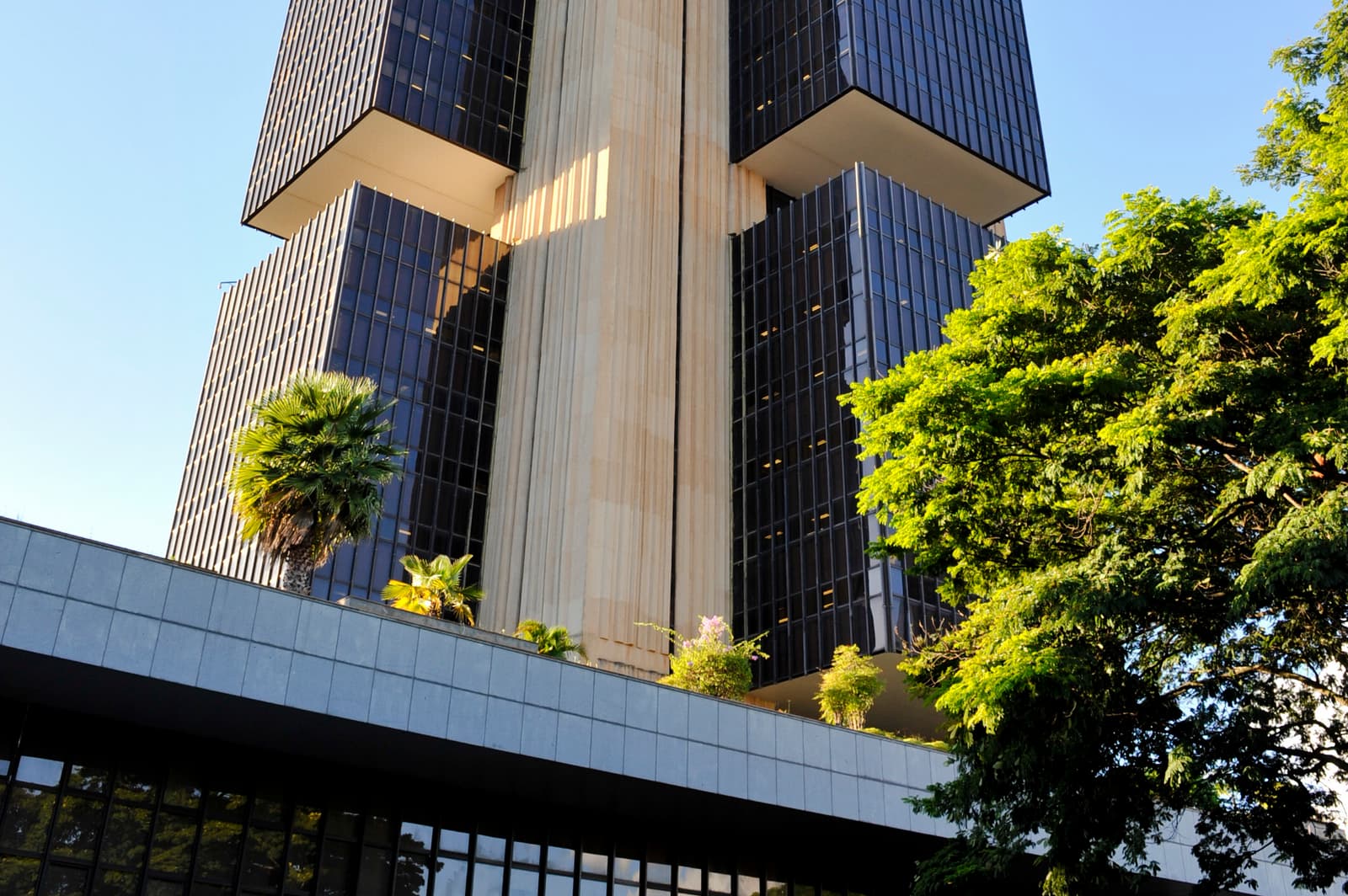
Headquarters of the Banco Central do Brasil in Brasilia. Photo: Senado Federal via Wikimedia Commons (CC BY 2.0). Source
Coinbase submitted a license application to the Central Bank of Brazil on Wednesday, two days before the country's Oct. 30 deadline for crypto service providers to file in order to keep operating during regulatory review. The U.S. exchange applied under Brazil's virtual asset service provider framework, which the country formally calls SPSAV, according to a statement shared with Cointelegraph.
"We do not expect the application review to require a suspension of our existing services," a Coinbase spokesperson told Cointelegraph. The company also restated plans to bring its "Everything Exchange" strategy to Brazil, which could eventually include foreign exchange and payments services alongside crypto trading. Those activities require separate regulatory authorizations under Brazilian law, and the filing does not by itself clear Coinbase to expand into them.
The filing deadline closes a transition period that began when Brazil's central bank adopted its virtual asset service provider rules in November 2025. Under that framework, companies already serving Brazilian customers must request authorization by Oct. 30 to remain open while their applications are reviewed. Firms that miss the date must stop operating within 30 days, Unchained reported. The review runs in two phases, and the first checks, among other things, whether a firm was already operating when the rules took effect in February, the outlet added.
A second compliance date follows the filing cutoff. Starting Nov. 6, Brazilian banks, payment institutions and other central bank-authorized entities may not carry out or enable crypto operations with service providers that are not authorized in the country, under a September amendment to the rules. The earlier version of that provision exempted providers whose authorization was still being processed. Unchained reported that the amended text dropped that exemption, which means a pending application alone will not shield a firm from banking restrictions after Nov. 6.
Firms that file on time may keep providing services until their authorization process concludes, though they cannot take on another category of crypto license while the request is pending, according to Unchained. The rules also let a crypto intermediary issue e-money and offer services in the foreign exchange market, but only under those activities' own regulations, including central bank authorization rules. Coinbase's company statement published in Brazil describes the exchange heading toward that combined model, Unchained reported.
Coinbase is not the only exchange racing the deadline. Binance applied on Oct. 23 through its local entity BBrasil and, the same week, restricted new loans, margin positions and other products for Brazilian users while delisting 22 tokens to comply with the new rules. Itaú Unibanco, one of Brazil's largest banks, filed its own notice with the central bank on Oct. 27, according to Unchained. Banks already licensed by the central bank use a separate notice process rather than the full VASP application.
The stakes of the Nov. 6 date extend beyond the exchanges themselves. Once it takes effect, a Brazilian user's ability to move money to a crypto platform depends on whether that platform's bank will still transact with it. And because the September amendment dropped the exemption for firms whose authorization is still being processed, even a company that filed on time faces that banking cutoff unless the central bank rules before then.
Brazil's central bank published Resolutions 519, 520 and 521 in November 2025, creating a licensing regime that covers crypto intermediaries, custodians and brokers and placing them under the same institution that supervises the country's traditional financial system. The rules took effect in February 2026, opening the transition that closes with this week's deadline. Filing an application does not amount to authorization; the central bank reviews each request on its own timetable. Coinbase's request is now in that queue, alongside the filings of its larger rival and the country's established banks.