Loading article...

Blur will deprecate the blur.io frontend on Nov. 12 while its Ethereum marketplace contracts stay live onchain, and its Blend lending service will stop matching new loans the same day.
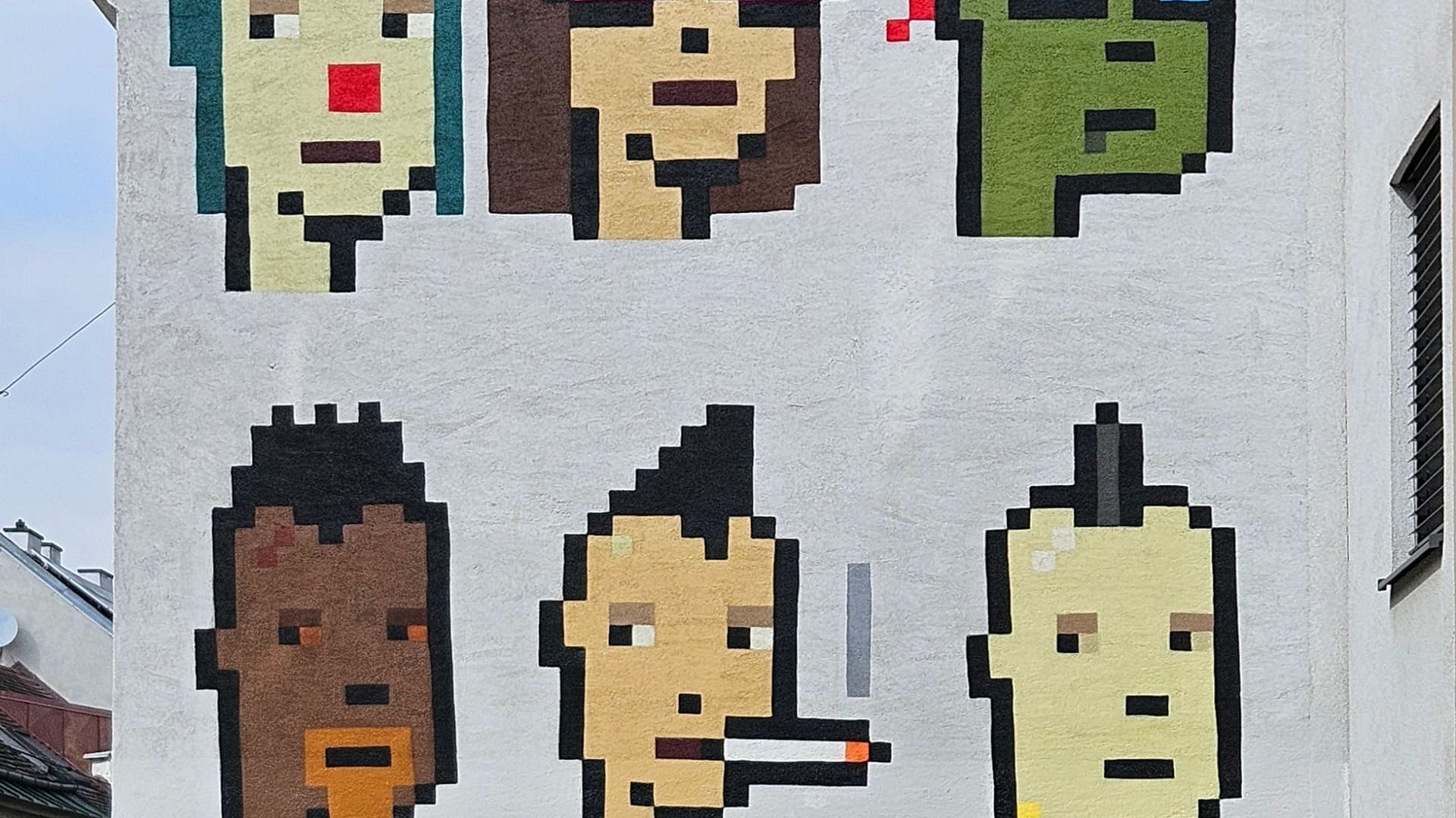
A Vienna mural depicting CryptoPunks, an Ethereum NFT collection. Photo: Matthias Weiss 2026 via Wikimedia Commons (CC0). Source
Blur will shut down its NFT marketplace website on Nov. 12, closing the main door to a venue that once handled most Ethereum NFT trading. The team said Monday on X that the blur.io frontend will be deprecated on that date. The marketplace protocol itself will keep running onchain, and the BLUR token will keep control of its fee switch, the post said.
The same deadline applies to Blend, Blur's peer-to-peer NFT lending product. Blend will stop matching new loans on Nov. 12, and borrowers have until then to repay or let their loans default. Blur said it will provide a frontend tool afterward to help users withdraw assets from Blend, though it gave no date for that tool. In a third post the team warned users about impersonators and said @blur_io is its only official account, Unchained reported.
The announcement gave no reason for retiring the site. Unlike Blast, its sister project, Blur has not publicly tied the closure to operating losses, CoinDesk noted in its coverage.
The numbers behind the decision show a collapse. Monthly trading volume on Blur peaked near $1.43 billion in March 2023, when the venue held more than 70% of Ethereum NFT trading, and fell below $7 million by March 2026, a drop of more than 99.5%. CoinDesk cited DefiLlama data for the peak and The Block's data for the trough. Despite billions in lifetime trades, the fee-free marketplace recorded $0 in protocol revenue over the past three years on Token Terminal, though that figure says nothing about lending or other income.
Blur launched in 2022 and took on OpenSea with faster transactions for professional traders, low fees and token rewards. A token airdrop to traders helped it pass OpenSea in volume soon after launch, Decrypt reported. Critics later asked whether those incentives helped crash NFT prices. The strategy worked at first: the site still advertises zero marketplace fees and more than $7.4 billion in lifetime volume. Its incentive programs also drew criticism for encouraging speculative trading and squeezing the royalties paid to NFT creators, and the raw volume figures do not show how much activity came from genuine buyers rather than reward hunters.
The closure follows the Oct. 2 shutdown announcement from Blast, the Ethereum scaling network created by Blur founder Tieshun Roquerre, known as Pacman, and built by the team behind Blur. Blast launched in November 2023 and drew more than $2.3 billion in deposits by its February 2024 mainnet launch, according to Decrypt. That figure had fallen to about $32 million when developers said the chain cost more to run than it earned. Blast users have until Oct. 26 to withdraw through the regular interface, and afterward can only pull funds by calling its Ethereum-side bridge contracts directly.
The wider market has shrunk with it. Global NFT revenue is projected at $318.3 million in 2026, essentially flat on last year and far below the 2021 and 2022 peaks, per Statista figures cited by Decrypt. Monthly NFT sales volume fell to $167.2 million in September from $554.8 million a year earlier and $1.78 billion in December 2023, CryptoSlam data shows. Cheaper NFTs have pushed sales counts up even as volume collapses, DappRadar found.
For Blur users the split is similar but on a later timeline. Traders lose the blur.io interface on Nov. 12, while the onchain contracts keep executing and any third party could in principle build an alternative front end. Fee decisions stay with BLUR holders through the fee switch, a governance setting that decides whether the protocol collects fees on activity. The token fell more than 20% after the announcement to trade near $0.015, according to CoinDesk. Borrowers on Blend face the nearest hard date: repay or default before Nov. 12, with the withdrawal tool still undated.