Loading article...

Binance applied to Brazil's central bank on Oct. 23 under its local entity BBrasil, days before an Oct. 30 licensing deadline, while Brazilian users lost eight products and 22 tokens.
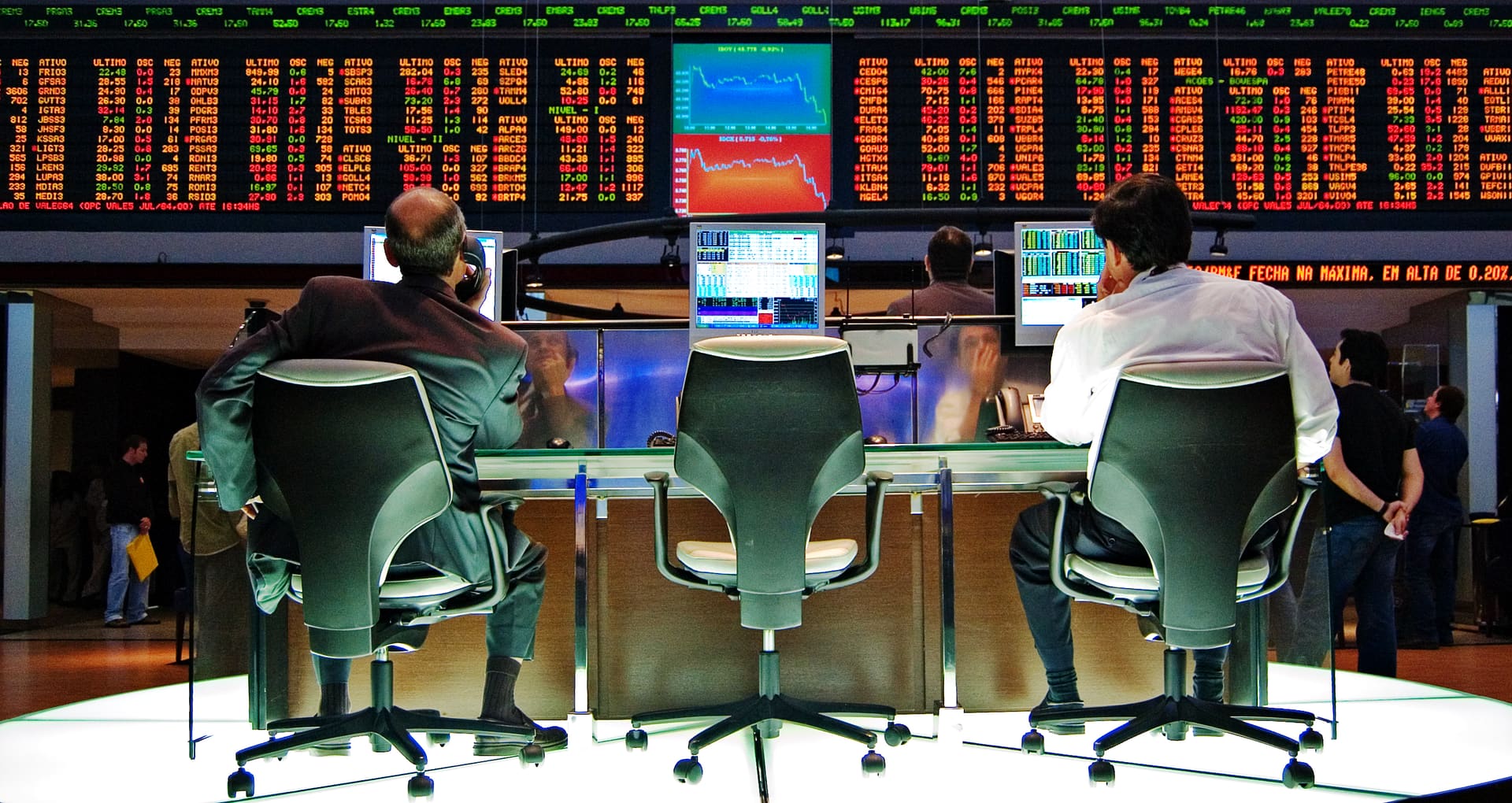
Traders on the floor of the B3 exchange in Sao Paulo, Brazil's main securities market. Photo: Rafael Matsunaga via Wikimedia Commons (CC BY 2.0). Source
Binance has applied for a cryptocurrency service provider license in Brazil, seeking to keep operating in one of Latin America's largest crypto markets ahead of a regulatory deadline on Friday, Oct. 30. The exchange submitted its application to the Central Bank of Brazil on Oct. 23 through BBrasil Sociedade Prestadora de Serviços de Ativos Virtuais Ltda., its local entity, according to a statement shared with Cointelegraph. The application is pending, and a filing is not an authorization.
The same day, a set of product restrictions announced earlier this month took effect for Brazilian users. They can no longer open new positions in eight products: Loans, Binance Pool, Cloud Mining, Margin, Launchpool, Megadrop, HODLer Airdrops and Alpha 2.0. Existing margin positions may stay open but cannot be added to, and outstanding loans can only be repaid, without fees or penalties, Unchained reported, citing a Binance support FAQ.
Binance also delisted 22 tokens for users in the country, among them USDE, USTC, MANTRA, GMT and STORJ. Balances remain in user accounts and can be withdrawn or reinvested. Two of the eight product cuts are not unique to Brazil: Binance Pool and Cloud Mining are shutting down for all users on Nov. 10, so Brazilian users lose them about two weeks early. Binance announced the global mining shutdown on Oct. 13, giving miners four weeks to move hashrate, Unchained previously reported. The other six restrictions apply only to the Brazilian market under the Oct. 8 FAQ.
"We support a regulated market that considers the characteristics of virtual assets, so that access to technology and innovation continues to advance, but we hope that the ongoing dialogue with the Central Bank will allow us to offer, in the near future, other products that were discontinued to comply with current regulations," Thiago Sarandy, Binance's general manager in Brazil, said in the statement.
Brazil requires existing crypto service providers to submit authorization applications by Oct. 30 to continue operating under transitional arrangements, under Resolution BCB 520 and Normative Instruction 704. Filing an application does not constitute regulatory approval, and Unchained found no public acknowledgment of the request from the Banco Central do Brasil. Companies that file can stay open for business while their requests are pending. The resolution and its companion rules 519 and 521 are dated Nov. 10, 2025.
By Oct. 29, every user in Brazil will be moved to an individual payment account at Binance Brasil Corretora de Cambio e Valores Mobiliarios S.A., with crypto services shifting to the BBrasil entity, the FAQ says. Starting Nov. 6, financial institutions, payment institutions and other BCB-authorized firms are barred from crypto transactions whose counterparty is an unauthorized service provider, under Resolution BCB 589.
The company said the filing would allow Brazilian users to continue accessing crypto assets, stablecoin trading, payments and investment services under the transitional regime. Sarandy added that Binance wants the products it pulled for compliance back in front of Brazilian users, offering the same opportunities available in its other markets. Brazil is not the only market where Binance's regulatory footing is under review; European regulators have been questioning its reliance on the reverse solicitation exemption in the EU, Unchained reported.
Users who held any of the 22 delisted tokens can still withdraw those balances or reinvest them under the FAQ, rather than having them closed out automatically. Positions in the eight restricted products that were open before Tuesday can run under their existing terms, with the blocks on loans and margin applying only to fresh exposure. The FAQ was first posted on Oct. 8, weeks before the license filing. It does not say when the pulled products might return for Brazilian users; that depends on the outcome of the license request and further dialogue with the central bank, Sarandy said.