
Hashtag Web3 / Updated
Web3 Jobs in Antananarivo: A Guide to Madagascar's Tech Scene
A career guide to the emerging Web3 job market in Antananarivo. Explore how Madagascar's capital, with its unique biodiversity and growing tech talent, is.
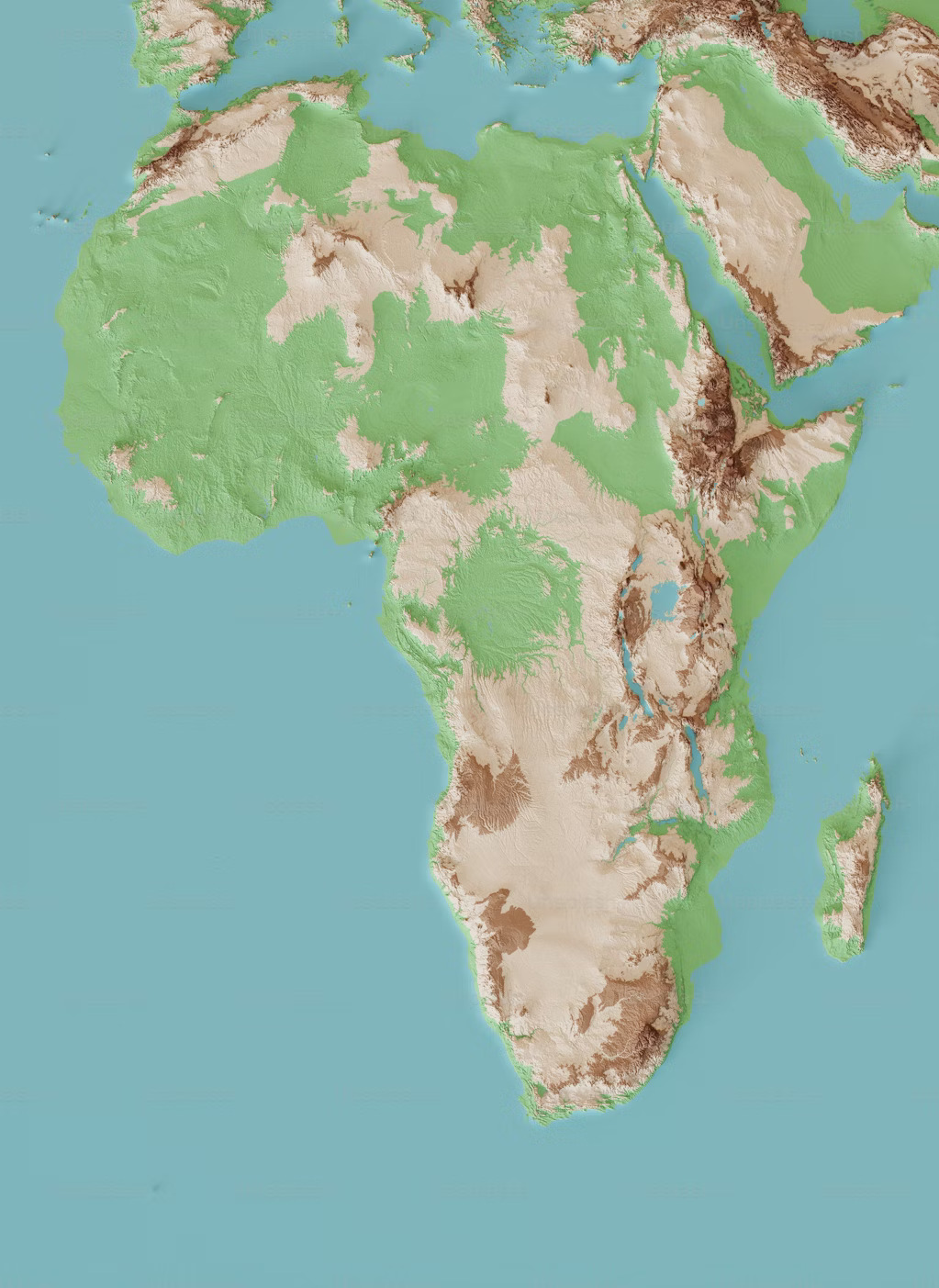
Antananarivo, the active capital of Madagascar, is leading the emerging Web3 sector. Renowned for its unique biodiversity, Madagascar is now Building a tech scene that explores blockchain's potential. The local ecosystem is still developing, yet a motivated community of young professionals views Web3 as a means for economic growth and solutions to local challenges, particularly in conservation and sustainable development.
The Web3 community in "Tana" embodies a grassroots spirit, emphasizing social impact and a desire to connect with global tech networks. For ambitious professionals, this environment offers a unique chance to pioneer in a growing market, influencing the trajectory of a new industry. This guide outlines the Web3 career opportunities in Antananarivo, highlighting growth areas, in-demand skills, and strategies for involvement.
The Antananarivo Web3 Ecosystem
Antananarivo's Web3 ecosystem is in its early stages, with growth potential driven by several distinctive factors:
- Biodiversity and Conservation Opportunities: Madagascar ranks among the most critical regions for biodiversity globally. This creates significant use cases for Regenerative Finance (ReFi) and conservation-focused Web3 projects. Blockchain can enable transparent funding systems for conservation, wildlife tracking, and sustainable eco-tourism models.
- Youthful Talent Pool: Madagascar has a large, youthful population eager to learn coding and engage with digital technologies. The low cost of living makes it an appealing location for startups and remote workers.
- Mobile Connectivity Expansion: As mobile internet access improves, there is a substantial opportunity for mobile-first decentralized applications (dApps) that can deliver financial services and other digital tools to a population underserved by traditional infrastructure.
- Francophone Connections: Madagascar's links to the French-speaking world provide pathways to more developed Web3 ecosystems in Europe and Francophone Africa, enabling collaboration and knowledge exchange.
In-Demand Roles and Salary Expectations
The formal Web3 job market in Antananarivo remains limited. The most feasible career path involves acquiring globally sought-after skills to work remotely for international companies or becoming an entrepreneur focused on local niches.
| Role | Description | Salary Range |
|---|---|---|
| Remote Web3 Developer | Primary opportunity for developers is remote work. | Significant range based on experience |
| Community Manager | Trilingual managers engaging local and global communities are highly valuable. | Significant range based on experience |
| ReFi Project Manager/Founder | Professionals combining conservation passion with Web3 knowledge can lead impactful projects. | Varies based on project funding |
Pursuing a Web3 Career in Antananarivo
-
Lead in Regenerative Finance (ReFi): Specialize in how blockchain can aid conservation efforts. Create a proof-of-concept project, such as using NFTs for funding specific conservation areas, to enhance your portfolio. Connect with local and international NGOs to gain visibility.
-
Develop a High-Demand Skillset: Focus on globally recognized skills. Developers should master Solidity and maintain a GitHub portfolio. Non-technical roles should emphasize communication and strategic planning. Competing for remote roles is critical for a successful career.
-
Create Educational Content: The local community seeks knowledge. Start a study group, develop a blog explaining Web3 in Malagasy and French, or host online workshops. By teaching, you establish yourself as an authority in the field.
-
Engage with the Francophone African Network: Network with larger Web3 communities in cities like Dakar, Abidjan, and Paris. This will provide valuable contacts for support, learning, and opportunities.
Detailed Salary Expectations by Role
| Role Track | Level | Salary Range |
|---|---|---|
| Web3 Developer | Entry Level (0-1 year) | Significant range based on experience |
| Mid Level (1-3 years) | Significant range based on experience | |
| Senior Level (3+ years) | Significant range based on experience | |
| Community & Operations | Community Manager | Significant range based on experience |
| Operations Manager | Significant range based on experience | |
| Project Coordinator | Significant range based on experience |
Local vs. Remote Work Comparison
A mid-level developer earning a competitive salary remotely can maintain a comfortable lifestyle in Antananarivo as outlined below:
| Expense Category | Cost |
|---|---|
| Comfortable apartment | Significant range |
| Living expenses (food, transport, utilities) | Significant range |
| Total monthly expenses | Significant range |
| Remaining income for savings/investments | Significant range |
Career Path Strategies
Path 1: Developer Route (9-15 months)
- Months 1-3: Learn Solidity basics through platforms like Cryptozombies and Buildspace. Expected outcome: Basic contract understanding and initial GitHub portfolio.
- Months 4-6: Build 2-3 real projects and contribute to open-source Web3 initiatives. Expected outcome: Solid GitHub projects and first freelance gig.
- Months 7-9: Focus on a specialization (e.g., DeFi protocols, NFTs, or Layer 2 solutions). Expected outcome: 5-10 freelance clients, generating competitive income.
- Months 10-15: Apply for junior developer roles in companies like Polygon or Solana. Target salary: Competitive range.
Path 2: ReFi/Impact Specialist Route (12-18 months)
- Months 1-4: Conduct research on regenerative finance and conservation. Join relevant communities. Expected outcome: Key knowledge base and networking.
- Months 5-8: Develop a proof-of-concept project related to conservation. Expected outcome: A published project and social media following.
- Months 9-12: Reach out to NGOs for partnerships. Expected outcome: Secure funding or collaboration.
- Months 13-18: Launch the first real ReFi project. Expected outcome: Active project with users and a competitive salary.
Path 3: Educator/Community Leader Route (6-12 months)
- Months 1-2: Plan your content strategy focusing on a niche (e.g., Web3 education). Expected outcome: Initial content creation.
- Months 3-6: Build your audience and establish a local Web3 meetup. Expected outcome: Growing online presence.
- Months 7-9: Monetize your content through courses or consulting. Expected income: Competitive range.
- Months 10-12: Scale your impact by partnering with international projects. Expected salary: Competitive range.
Challenges and Realistic Expectations
Internet Infrastructure
- Typical speeds can vary, often slower during peak hours.
- Solution: Use backup mobile hotspots and optimize workflows for offline work.
Education Gap
- Limited local Web3 technical training available.
- Solution: Engage in online learning through platforms like Buildspace and Udemy, and form peer learning groups.
Economic Volatility
- The Malagasy Ariary (MGA) can devalue unpredictably.
- Strategy: Negotiate contracts in USD or stablecoins and maintain an emergency fund in crypto.
Limited Local Opportunities
- Few local Web3 companies create challenges for job seekers.
- Approach: Build remote skills and create local opportunities through entrepreneurship.
Language Barriers
- Proficiency in English is essential for international roles.
- Action: Join English-speaking communities and practice regularly.
90-Day Action Plan
Month 1: Foundation Building
- Week 1: Choose your career path (Developer/ReFi/Educator).
- Week 2: Complete a foundational course relevant to your chosen path.
- Week 3: Establish an online presence on platforms like Twitter and GitHub.
- Week 4: Join three relevant communities.
Month 2: Skill Development
- Weeks 1-2: Complete intermediate tutorials related to your focus area.
- Week 3: Start your first project or publish initial articles/videos.
- Week 4: Seek feedback from mentors and improve your work.
Month 3: Market Entry
- Weeks 1-2: Finalize your first project or achieve a follower milestone.
- Week 3: Apply for entry-level roles or freelance opportunities.
- Week 4: Negotiate your first contract and begin your Web3 career.
Frequently Asked Questions
Do I need a degree to get a Web3 job from Antananarivo? No. Web3 prioritizes skills and portfolio over formal education. A strong GitHub portfolio demonstrating your projects holds more weight than a degree.
How much does it cost to get started? Starting costs are minimal. Most learning resources are free. Internet costs can vary, and you may need a laptop if you do not already own one. Total startup costs can be anywhere from minimal to moderate.
Can I earn while learning? Yes. After a few months of learning, you can undertake small freelance tasks on platforms like Upwork or Fiverr, earning competitive amounts per project to support your learning.
Is it safe to work in crypto given the risks of scams? Yes, as long as you work with reputable companies and check their backgrounds. Ensure contracts are in writing and use escrow services for freelance work.
What is the timeline to earn a competitive salary from Web3? A realistic timeline is 8-12 months of dedicated learning and building. Some may achieve this in 6 months, while others may take longer based on prior experience and effort invested.
Should I focus on Solidity or full-stack development? Start with full-stack development as it offers broader applicability and more job opportunities. Once you grasp blockchain fundamentals, you can transition to learning Solidity.
How do I find mentors in Antananarivo? Engage with online communities, share your progress, and ask questions. Genuine mentors appreciate initiative and curiosity. Offer to help others, as mentorship is often reciprocal.
Is ReFi a viable opportunity for Madagascar? Yes, given Madagascar's biodiversity. The global conservation budget is substantial, and using blockchain for conservation funding addresses real needs.
How do I position myself for an international Web3 company? Build an impressive portfolio, make your work visible through platforms like GitHub and Twitter, network within relevant communities, apply widely, and seek referrals when possible. Persistence is key.
What if I want to stay in Madagascar and build locally? Consider launching a Web3 startup that partners with conservation NGOs or international donors. Address local challenges with blockchain solutions, as funding exists for impactful projects.
Is English required for remote work? Yes, professional English proficiency is essential. Commit daily to improving your language skills through practice and involvement in English-speaking communities.
What Web3 jobs are best for non-technical individuals? Roles such as Community Manager, Project Manager, Operations, Content Writer, Designer, and Researcher are suitable for non-technical professionals. These positions offer competitive salaries depending on experience and role.