
Private Key
A secret cryptographic key that proves ownership of a blockchain address and authorizes transactions, functioning as the master password to your cryptocurrency.
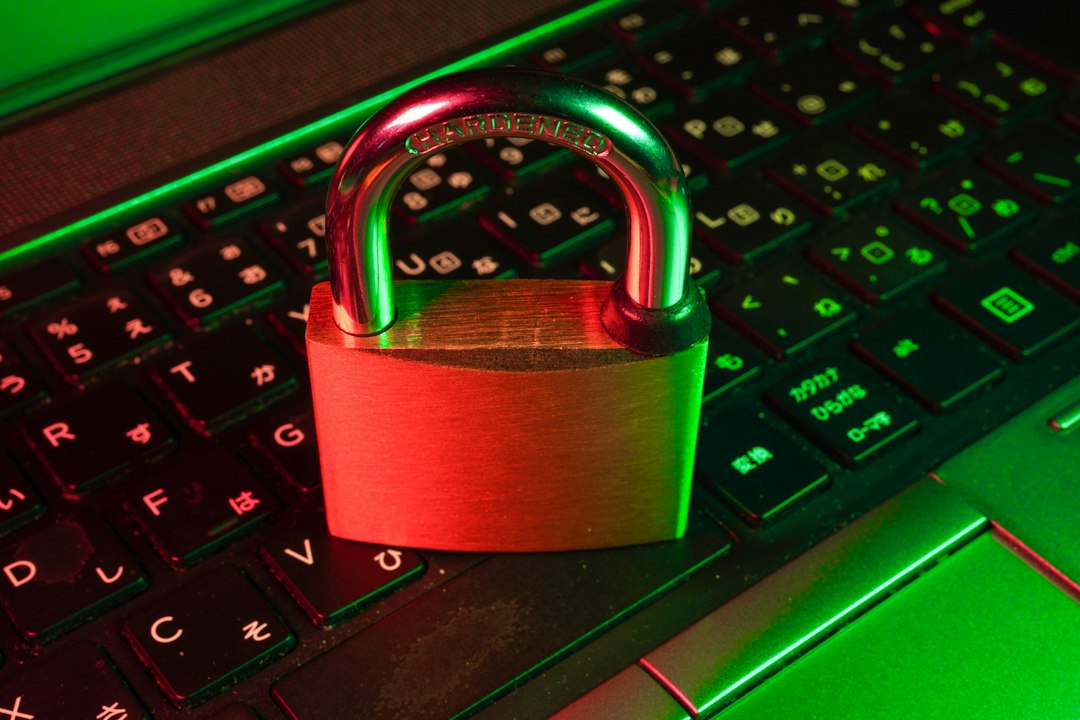
Private Key refers to a secret cryptographic string that serves as the ultimate proof of ownership for a blockchain address, granting its holder complete control over any cryptocurrency or digital assets stored at that address. This alphanumeric code functions as the mathematical foundation of blockchain security, enabling users to sign transactions and prove ownership without revealing the key itself. Hardware wallets like Ledger and Trezor exist specifically to store private keys offline, protecting them from online threats while still allowing users to authorize transactions. The importance of proper key management is critical, as a significant portion of cryptocurrency theft results from compromised private keys. For professionals entering the Web3 space, understanding private key cryptography and secure key management practices is essential, as security-focused roles including smart contract auditors and wallet engineers remain among the most sought-after positions in the industry.
Understanding Public-Key Cryptography
Blockchains use asymmetric cryptography with key pairs:
-
Private Key: Secret key you must never share. Signs transactions proving you authorize them.
-
Public Key: Derived mathematically from private key. Can be shared publicly. Impossible to reverse-engineer private key from it.
-
Address: Shortened hash of public key. What you share to receive funds (like 0x742d35Cc6634C0532925a3b8...).
-
Analogy: Private key is your house key. Public key/address is your mailing address. Anyone can send you mail (cryptocurrency) to your address, but only someone with the house key (private key) can access what's inside.
What Private Keys Look Like
- Bitcoin Private Key (WIF format):
5JZjfs5wJv8Kpfx... (51 characters)
- Ethereum Private Key (hex):
0x4c0883a69102937d6231471b5dbb6204fe512961708279... (64 hex characters)
Private keys are 256-bit numbers, with 2^256 possible combinations. This makes brute-force guessing computationally impossible.
How Private Keys Work
When sending cryptocurrency:
- Your wallet creates a transaction message (send X amount to Y address).
- Private key cryptographically signs the message.
- Signature proves you authorized the transaction without revealing private key.
- Network verifies signature using your public key.
- If valid, transaction is executed.
The signature is unique to both the transaction and private key. It proves authenticity without revealing the seal itself.
Mathematical Relationship
The relationship between keys uses elliptic curve cryptography:
- Private Key → Public Key: Easy (mathematical function)
- Public Key → Address: Easy (hashing)
- Address → Public Key: Impossible
- Public Key → Private Key: Computationally infeasible (would take billions of years)
This one-way relationship is the foundation of blockchain security. You can prove you own an address by signing with the private key, but observers can't work backwards to steal it.
Private Key Generation
Wallets generate private keys using secure randomness:
- Process:
- Generate 256 random bits using a cryptographically secure random number generator (CSPRNG).
- Ensure number falls within valid curve range.
- Derive public key using elliptic curve multiplication.
- Hash public key to create address.
- Entropy Sources: Mouse movements, keyboard timing, hardware random number generators, atmospheric noise. Poor randomness can create weak keys vulnerable to attacks.
Some early Bitcoin users lost funds because weak random number generators produced predictable keys. Modern wallets use battle-tested cryptographic libraries.
Hierarchical Deterministic (HD) Wallets
Modern wallets use a single master seed to generate unlimited key pairs deterministically:
- Seed Phrase (12-24 words) → Master Key → Derived Private Keys
Derivation path example: m/44'/60'/0'/0/0
- Allows one backup (seed phrase) for all keys.
- Different blockchains use different derivation paths.
- Same seed can generate Bitcoin, Ethereum, and other keys.
This explains how losing your device doesn't lose funds, recover the seed phrase, regenerate all private keys.
Private Key Security: Critical Rules
-
NEVER share your private key or seed phrase. Not with support teams, not with apps, not stored digitally. Anyone with access controls your funds irreversibly.
-
Best Practices:
-
1. Write Down Seed Phrases on Paper
-
Use paper or metal (Cryptosteel, Billfodl).
-
Never screenshots, cloud storage, or text files.
-
Malware can steal digital copies.
-
2. Multiple Secure Locations
-
Store copies in different physical locations.
-
Safe deposit boxes, home safes.
-
Protects against fire, theft, or loss.
-
3. Test Recovery Process
-
Create new wallet, transfer small amount.
-
Wipe wallet, recover from seed.
-
Ensures backup works before trusting significant funds.
-
4. Hardware Wallets for Large Holdings
-
Ledger, Trezor keep private keys on secure hardware.
-
Never exposed to potentially compromised computers.
-
Signs transactions internally.
-
5. Be Cautious About Phishing
-
Never enter seed phrases on computers connected to the internet.
-
Verify hardware wallet purchase directly from manufacturer.
-
Beware of fake wallet apps.
-
6. Operational Security
-
Don't brag about holdings publicly.
-
Use different addresses for different purposes.
-
Consider multi-signature setups for large amounts.
-
Common Private Key Compromises
-
Phishing Websites: Fake wallet sites requesting seed phrases. Always verify URLs.
-
Malicious Apps: Fake mobile wallets stealing keys. Only download from official sources.
-
Clipboard Hijacking: Malware replaces copied addresses with attacker's. Always verify addresses.
-
Physical Theft: Someone finds your written seed phrase. Secure physical storage is critical.
-
Social Engineering: Scammers impersonating support asking for keys. Legitimate services never request private keys.
-
Weak Randomness: Poor entropy during key generation. Use trusted wallet software.
-
Supply Chain Attacks: Pre-compromised hardware wallets. Buy directly from manufacturers.
Loss and Recovery
-
If You Lose Private Key: Funds are permanently inaccessible. No customer service can recover them. This is why backups are critical.
-
If Private Key is Compromised: Immediately transfer funds to new address with secure private key. Once someone has your key, the address is permanently compromised.
Private Keys vs Passwords
-
Passwords:
-
Can be reset through recovery processes.
-
Company databases verify them.
-
Changing passwords protects account.
-
Private Keys:
-
Cannot be reset, losing means permanent loss.
-
Math verifies them, not company databases.
-
Cannot be changed for an address, must create new address.
This fundamental difference makes crypto self-custody more risky but also more free, no entity can freeze or seize your funds.
Advanced: Multi-Signature
Multi-sig wallets require multiple private keys to authorize transactions (e.g., 2-of-3).
- Use Cases:
- Corporate treasuries (require CFO + CEO signatures).
- Personal security (keys split across devices/locations).
- Estate planning (heirs have keys, with threshold needed).
Multi-sig reduces single point of failure but increases complexity.
Quantum Computing Threat
Future quantum computers might break elliptic curve cryptography, compromising private keys.
-
Timeline: Likely decades away, but blockchain communities are researching quantum-resistant cryptography.
-
Migration Path: When quantum threat becomes imminent, networks will upgrade to quantum-resistant algorithms. Users will need to move funds to new quantum-safe addresses.
Currently not a practical concern, but long-term holders should monitor developments.
Private Keys in Smart Contract Wallets
Smart contract wallets (Account Abstraction) enable alternatives to traditional private keys:
- Social recovery (trusted contacts help recover).
- Biometric authentication.
- Session keys (limited permissions).
- Spending limits without additional approval.
This improves user experience and security for mainstream users while maintaining self-custody benefits.
Legal and Inheritance Considerations
-
Court Orders: Even with court orders, private keys can't be recovered if lost. Your estate plan must include secure key transfer mechanisms.
-
Inheritance: Without proper planning, heirs cannot access crypto. Options include:
-
Secure sharing of seed phrases with estate lawyers.
-
Multi-sig setups with family members.
-
Services that enable inheritance.
-
Dead man's switches that release keys after inactivity.
-
Jurisdiction: In some countries, authorities can compel key disclosure. In others, you cannot be forced to provide keys you "don't remember."