
Mining
The process of validating transactions and creating new blocks on Proof of Work blockchains by solving complex computational puzzles, earning block rewards and transaction fees.
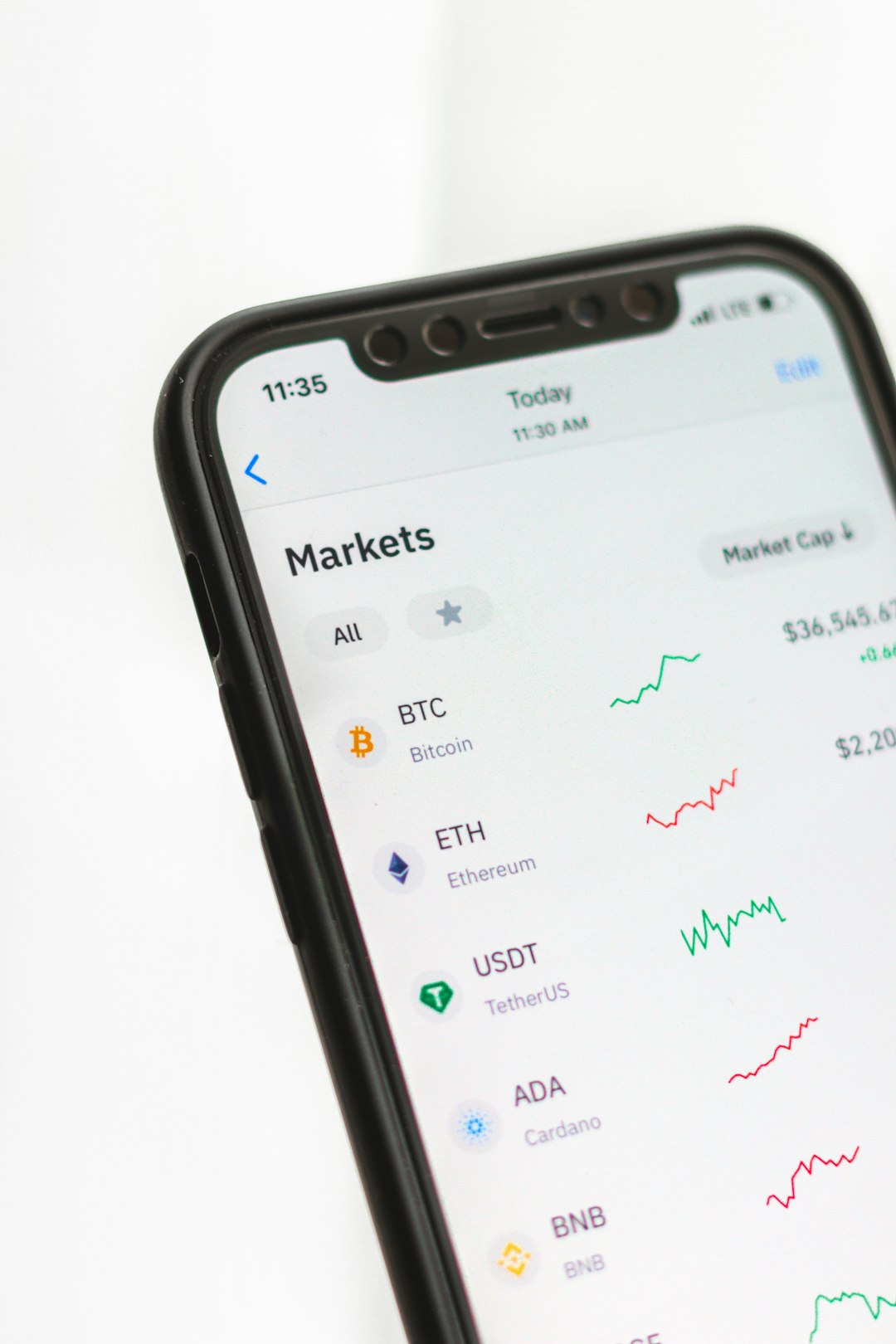
Mining is the computational process by which Proof of Work blockchains validate transactions, secure the network, and create new cryptocurrency tokens. Miners deploy specialized hardware to compete in solving complex cryptographic puzzles. The first to find a valid solution earns the right to add the next block to the chain and collect rewards in the form of newly minted coins plus transaction fees. Bitcoin, the largest Proof of Work network, relies entirely on mining for its security and has spawned a global industry of mining operations. Major mining companies like Marathon Digital and Riot Platforms operate massive facilities with thousands of specialized ASIC machines. For professionals entering the blockchain space, mining operations offer diverse career paths including hardware engineering, data center management, energy optimization, and mining pool development.
How Mining Works
Mining combines transaction verification with a computational lottery:
-
1. Transaction Collection: Miners gather pending transactions from the mempool into a candidate block.
-
2. Merkle Tree Construction: Transactions are organized into a Merkle tree, creating a compact cryptographic summary.
-
3. Block Header Assembly: Miners create a block header containing:
-
Previous block hash (links blocks into a chain)
-
Merkle root (summary of all transactions)
-
Timestamp
-
Difficulty target
-
Nonce (random number to be found)
-
4. Proof of Work Search: Miners repeatedly hash the block header with different nonce values, searching for a hash below the difficulty target. This requires trillions of attempts.
-
5. Block Broadcast: The first miner to find valid proof broadcasts the block to the network.
-
6. Verification and Acceptance: Other nodes verify the solution and transactions, accepting the block if valid.
-
7. Reward Collection: The winning miner receives the block reward (newly minted coins) plus transaction fees.
The Math Behind Mining
Bitcoin uses SHA-256 hashing. A valid block hash must start with a certain number of zeros (difficulty requirement).
- Example:
Block Header Data: [previous hash][merkle root][timestamp][nonce]
Target: 0000000000000000000abcdef... (starts with 19 zeros)

Hash(block header + nonce 1) = 8a7f3b... (invalid, doesn't start with enough zeros)
Hash(block header + nonce 2) = f3a921... (invalid)
...
Hash(block header + nonce 15,847,293) = 00000000000000000004f2a... (valid!)
Finding a valid nonce is pure brute force. This is why mining requires massive computational power.
Difficulty Adjustment
Networks automatically adjust mining difficulty to maintain consistent block times despite fluctuating hash rate.
-
Bitcoin: Adjusts every 2,016 blocks targeting 10-minute block times. If blocks are produced faster, difficulty increases. If slower, difficulty decreases.
-
Formula:
New Difficulty = Old Difficulty × (2016 blocks / Actual time taken)
This self-balancing mechanism ensures Bitcoin produces one block every 10 minutes on average.
Mining Hardware Evolution
-
CPU Mining (2009-2010): Early Bitcoin miners used regular computers. Anyone could mine on their laptop.
-
GPU Mining (2010-2013): Graphics cards proved significantly more efficient than CPUs due to parallel processing capabilities. This led to the first mining farms.
-
FPGA Mining (2011-2013): Field Programmable Gate Arrays offered customizable hardware more efficient than GPUs but more complex to program.
-
ASIC Mining (2013-Present): Application-Specific Integrated Circuits designed exclusively for mining. Modern Bitcoin ASICs are significantly more efficient than CPUs. Antminer S19 performs 110 TH/s (110 trillion hashes per second).
-
ASIC Resistance: Some cryptocurrencies (Ethereum pre-Merge, Monero) designed algorithms resisting ASICs to keep mining decentralized. Ethereum eventually moved to Proof of Stake.
Mining Pools
Solo mining became impractical as difficulty increased. A miner with a single machine might wait years to find a block.
-
Mining Pools combine computational power from thousands of miners:
-
How Pools Work:
- Pool coordinator distributes work to participants.
- Miners submit "shares" (near-valid proofs showing they're working).
- When the pool finds a block, the reward is split proportionally based on contributed hash rate.
- Miners receive steady, predictable income instead of sporadic jackpots.
- Pool Types:
-
Pay-Per-Share (PPS): Fixed payment per share, pool assumes risk.
-
Proportional: Split rewards based on shares in the round when the block is found.
-
Pay-Per-Last-N-Shares (PPLNS): Rewards based on recent shares, discourages pool hopping.
-
Major Pools: Foundry USA, AntPool, F2Pool, ViaBTC control significant Bitcoin hash rate. Centralization risk exists if few pools dominate.
-
Mining Economics
-
Revenue:
- Block Subsidy: Newly minted coins (Bitcoin: currently 3.125 BTC per block after the April 2024 halving).
- Transaction Fees: All fees from transactions in the block.
-
Costs:
- Hardware: ASIC miners cost thousands of dollars.
- Electricity: Largest operational expense. Mining consumes significant energy.
- Cooling: Mining hardware generates massive heat.
- Facilities: Industrial mining requires warehouses with electrical infrastructure.
- Maintenance: Hardware failures, firmware updates.
-
Profitability Factors:
-
Bitcoin Price: Higher price equals more revenue.
-
Network Difficulty: Higher difficulty means harder to find blocks.
-
Electricity Cost: Mining gravitates to regions with cheap power.
-
Hardware Efficiency: Newer ASICs offer better hash rate per watt.
-
Break-Even Analysis: Many miners operate at thin margins. During bear markets with low Bitcoin prices, less efficient miners shut down, reducing difficulty and allowing efficient miners to profit.
-
Geographic Distribution
Mining concentrates in regions with cheap electricity:
-
United States: Texas, Kentucky, Georgia benefit from cheap natural gas and renewables. Regulatory clarity attracts institutional miners.
-
China: Previously dominant until a ban forced exodus. Some mining continues underground.
-
Kazakhstan: Cheap coal power attracted miners post-ban. Political instability and government crackdowns are reducing share.
-
Russia: Stranded natural gas and cold climate suit mining.
-
Canada: Hydroelectric power in Quebec. Cold climate reduces cooling costs.
-
Northern Europe: Iceland, Norway, Sweden use cheap renewable energy.
Environmental Concerns
Bitcoin mining's energy consumption is significant:
-
Criticisms:
- Carbon Footprint: Mining using coal power contributes to climate change.
- E-Waste: ASIC hardware becomes obsolete quickly, creating electronic waste.
- Energy Efficiency: High energy expenditure for transaction processing.
-
Counterarguments:
-
Renewable Energy: A significant portion of mining uses renewable sources. Miners seek the cheapest power, often stranded renewables.
-
Grid Balancing: Miners can quickly shut down, providing demand response for power grids.
-
Energy Security: Mining monetizes otherwise wasted energy.
-
Comparison: Traditional banking systems consume comparable energy across branches, ATMs, and data centers.
-
Bitcoin's Response: Proof of Stake isn't viable for Bitcoin's security model. Instead, focus on renewable energy and efficiency improvements.
-
Mining After Block Rewards End
Bitcoin has a fixed supply of 21 million coins. Block subsidies halve every four years:
- 2009-2012: 50 BTC per block
- 2012-2016: 25 BTC
- 2016-2020: 12.5 BTC
- 2020-2024: 6.25 BTC
- 2024-2028: 3.125 BTC (current) -...
- ~2140: 0 BTC (last coin mined)
After 2140, miners will depend entirely on transaction fees. This requires:
- High Bitcoin price making small fees valuable.
- Sufficient transaction volume generating fee revenue.
- Layer 2 solutions settling to Bitcoin, paying fees.
Whether a fee-only security model works remains Bitcoin's biggest long-term question.
Mining Alternatives: Proof of Stake
Ethereum's 2022 transition to Proof of Stake eliminated mining entirely, replacing it with staking. This demonstrated that major networks can function without mining's energy consumption.
- Differences:
- No Hardware Race: Anyone with 32 ETH can validate.
- Less Energy: No computational puzzle solving.
- Economic Security: Validators risk staked funds rather than electricity costs.
Most new blockchains launch with Proof of Stake. Mining is becoming legacy technology primarily associated with Bitcoin.
51% Attacks
If an entity controls 51% of network hash rate, they can:
- Double-spend by reorganizing recent blocks.
- Prevent transaction confirmations.
- Exclude specific transactions.
They cannot:
-
Steal coins from other addresses.
-
Change consensus rules.
-
Mint extra coins beyond the schedule.
-
Bitcoin Security: Would cost billions to acquire 51% hash rate, and attacking destroys the attacker's investment. Economic incentives align with security.
-
Smaller Chains: Many altcoins have suffered 51% attacks. Lower hash rates make attacks economically feasible.
Cloud Mining
Services rent hash rate to users who don't want to manage hardware. Many are scams. Legitimate cloud mining is rarely profitable after fees.
Mining Other Cryptocurrencies
-
Litecoin: Uses Scrypt algorithm. Originally GPU-mineable but now has Scrypt ASICs.
-
Monero: RandomX algorithm designed for CPU mining, resists ASICs to keep mining decentralized.
-
Dogecoin: Merged mining with Litecoin, mine both simultaneously.
-
Ethereum: Mined with GPUs until the September 2022 Merge to Proof of Stake. Former ETH miners moved to other GPU-mineable coins or sold equipment.