
Layer 2
Scaling solutions built on top of a base blockchain (Layer 1) that process transactions off-chain while inheriting the security of the underlying network.
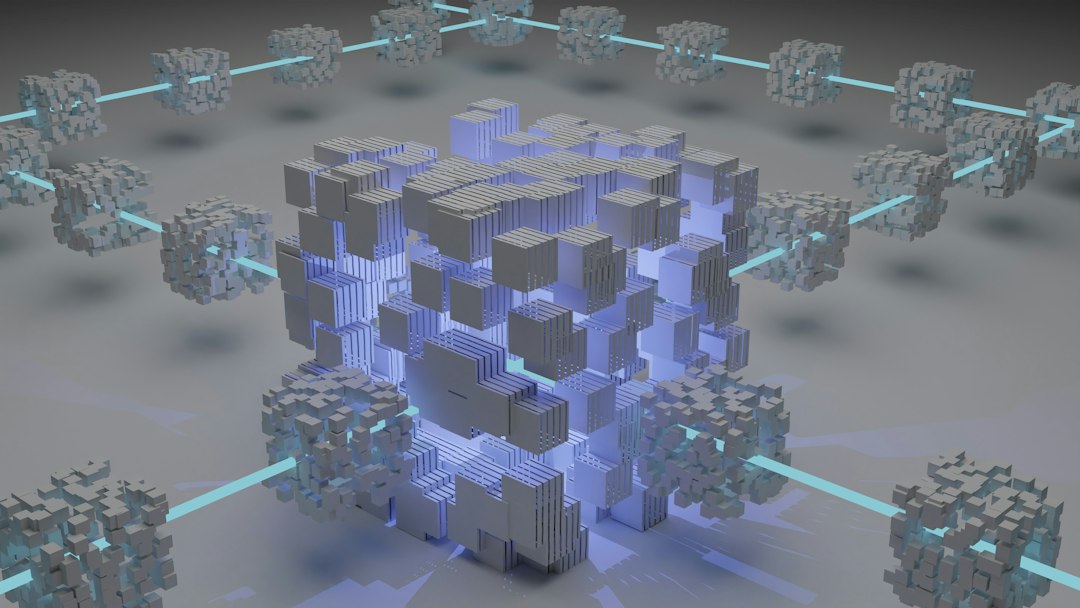
Layer 2 refers to scaling solutions built on top of a base blockchain, known as Layer 1, that process transactions off the main chain while inheriting the security guarantees of the underlying network. These protocols address the blockchain trilemma by enabling higher transaction throughput and lower fees without sacrificing decentralization. Arbitrum, one of the leading Layer 2 solutions for Ethereum, exemplifies this approach by using optimistic rollup technology to batch transactions together before submitting them to the main chain. Popular applications including decentralized exchanges, lending protocols, and NFT marketplaces have migrated to Layer 2 networks to offer users near-instant transactions at a fraction of mainnet costs. For professionals entering the Web3 space, expertise in Layer 2 architecture and development has become increasingly valuable as major protocols prioritize scalability solutions in their technical roadmaps.
The Scaling Problem
Ethereum processes approximately 15-30 transactions per second. Visa processes thousands. During high demand, Ethereum gas fees can spike significantly, pricing out everyday users.
Three approaches to scaling (blockchain trilemma):
- Increase block size/speed (sacrifices decentralization, fewer can run nodes)
- Use less secure consensus (sacrifices security)
- Build Layer 2s (maintains decentralization and security)
Ethereum chose the third path: keep Layer 1 secure and decentralized, handle volume on Layer 2.
How Layer 2 Works
L2 solutions process transactions off Ethereum mainnet (Layer 1), then periodically commit batched transaction data to mainnet. This creates:
- Higher throughput: Hundreds of off-chain transactions per mainnet transaction
- Cost reduction: Distribute mainnet gas costs across many transactions
- Maintained security: Mainnet can verify L2 transaction validity
- Ethereum settlement: Final settlement on Ethereum provides security guarantees
Think of it like local bank branches handling daily transactions but settling with the central bank periodically. The central bank (Ethereum) provides ultimate security and finality.
Types of Layer 2 Solutions
Optimistic Rollups
Assume transactions are valid by default ("optimistic"). Anyone can challenge suspicious transactions during a dispute period (usually 7 days).
- How They Work:
- Sequencer collects transactions off-chain
- Executes transactions in EVM-compatible environment
- Posts transaction data to Ethereum as calldata
- Fraud proofs allow challenging invalid state transitions
- After dispute period, state becomes final
-
Examples:
- Arbitrum: Largest L2 by total value locked. EVM-compatible, active ecosystem.
- Optimism: Pioneer of optimistic rollups. Powers Base (Coinbase's L2) and other chains via OP Stack.
- Base: Coinbase's L2, bringing mainstream users to crypto.
-
Advantages:
- Full EVM compatibility, easy to migrate Ethereum dApps
- Lower technical complexity than ZK rollups
- Established ecosystem and tooling
-
Disadvantages:
- 7-day withdrawal delay (bridging from L2 to mainnet)
- Higher data costs than ZK rollups
- Depends on fraud proof watchers
ZK-Rollups (Zero-Knowledge Rollups)
Use cryptographic proofs (validity proofs) to prove transaction correctness without revealing all transaction details.
- How They Work:
- Sequencer batches transactions off-chain
- Generates zero-knowledge proof (SNARK or STARK) proving validity
- Submits proof and minimal data to Ethereum
- Ethereum verifies proof (much cheaper than re-executing transactions)
- State update is immediately final, no dispute period
-
Examples:
- zkSync Era: EVM-compatible ZK rollup with growing adoption.
- StarkNet: Uses STARK proofs, Cairo programming language.
- Polygon zkEVM: Polygon's ZK solution with full EVM equivalence.
- Scroll: EVM-equivalent ZK rollup focused on compatibility.
-
Advantages:
- Faster finality, no 7-day withdrawal delay
- Better long-term scalability
- More data efficiency
-
Disadvantages:
- Complex cryptography requires specialized expertise
- Some sacrifice EVM compatibility for efficiency
- Earlier stage than optimistic rollups
Validium
Similar to ZK rollups but stores data off-chain rather than on Ethereum. Offers higher scalability but sacrifices data availability guarantees.
-
Trade-off: Users must trust data is available if needed to recover their funds. Suitable for applications where performance is prioritized over trustlessness (gaming, social media).
-
Example: Immutable X (NFT-focused, powers Gods Unchained and Guild of Guardians)
State Channels
Open payment channels between parties, conduct unlimited transactions off-chain, then settle final state on-chain. The Lightning Network (Bitcoin) popularized this approach.
-
Advantages: Instant, near-free transactions
-
Disadvantages: Requires locking capital, only works for participants in channel, complex routing for payments
Plasma
An early scaling solution where child chains periodically commit to Ethereum. Largely superseded by rollups due to data availability limitations and exit delays.
EIP-4844: Proto-Danksharding
The March 2024 Ethereum upgrade added "blob" data storage, temporary data that is cheaper than permanent calldata. This reduced L2 costs significantly.
Bridging: Moving Assets Between Layers
-
Bridges transfer assets between Layer 1 and Layer 2:
-
Canonical Bridges: Official bridges operated by L2 teams. Most secure but inherits L2's trust assumptions.
-
Third-Party Bridges: Services like Hop, Across, and Synapse enable faster transfers and cross-L2 movement. Introduce additional trust assumptions.
-
Native Withdrawals: Withdrawing from optimistic rollups to Ethereum takes 7 days due to the dispute period. Users cannot access funds during this time unless using third-party bridges.
-
Bridge security is important, as significant amounts have been lost to bridge hacks. Always use established bridges and verify contract addresses.
L2 Ecosystems and Adoption
-
DeFi on L2: Major protocols deployed L2 versions, Uniswap, Aave, Curve, Synthetix. Enables capital-efficient DeFi with low transaction costs.
-
NFTs on L2: Mint and trade NFTs for low fees. Platforms like Zora prioritize L2, making NFTs accessible to creators without high gas fees.
-
Gaming: Blockchain games require many microtransactions, which are not feasible with Layer 1 fees. L2s enable true blockchain gaming.
-
Social: Twitter-like apps, prediction markets, and social platforms build on L2 where transaction costs do not prohibit interaction.
-
Payments: Stablecoin payments on L2 cost significantly less, enabling remittances and merchant adoption.
L2 Sequencer Centralization
Most L2s currently use centralized sequencers, creating risks:
- Censorship of transactions
- MEV extraction without redistribution
- Single point of failure
L2 teams plan decentralized sequencer sets but prioritized launching first, decentralizing later. Critics question if centralization will decrease over time.
Cross-L2 Communication
Currently, moving between L2s requires bridging back to Ethereum then to another L2. This process can be expensive and slow.
- Solutions in Development:
- Shared bridges: Direct L2-to-L2 transfers
- Chain abstraction: Users do not need to know which L2 they are using
- Optimism's Superchain: Multiple L2s sharing security and messaging
The goal is for users to interact with Ethereum without needing to understand the underlying L2.
L2s vs Sidechains vs Alt-L1s
- Layer 2s: Inherit Ethereum security, post data to mainnet
- Sidechains (Polygon PoS, Ronin): Separate consensus, do not inherit Ethereum security
- Alt-L1s (Solana, Avalanche): Completely independent blockchains
L2s provide Ethereum security with better performance. Sidechains provide better performance with independent security. Alt-L1s offer different trade-offs entirely.
The "Rollup-Centric" Ethereum Roadmap
Ethereum's official scaling strategy is to keep Layer 1 simple, secure, and decentralized while building scalability through Layer 2 rollups.
This contrasts with chains like Solana, which scale Layer 1 itself, or Cosmos, which uses app-specific chains. Time will tell which approach is more effective.
- Future Ethereum upgrades focus on L2 support:
- Danksharding: More data availability
- Verkle trees: More efficient state storage helping L2s
- Account abstraction: Better user experience across L2s