
Blockchain
A distributed digital ledger that records transactions across multiple computers in a way that makes the records immutable and transparent.
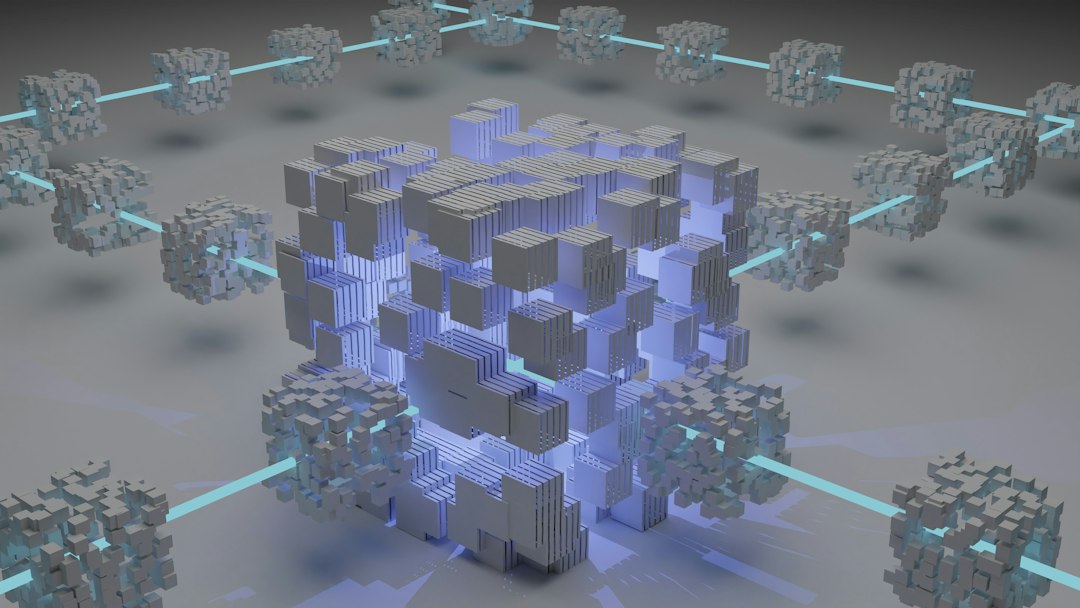
Blockchain is a distributed digital ledger technology that records transactions across a network of computers, making the data immutable, transparent, and resistant to tampering. Each block contains a cryptographic hash of the previous block, creating a secure chain that cannot be altered without consensus from the network. Bitcoin, launched in 2009, demonstrated the first successful large-scale implementation of blockchain technology, proving that decentralized systems could process financial transactions without intermediaries. Since then, blockchain has expanded beyond cryptocurrency to encompass supply chain tracking, digital identity verification, healthcare records, and decentralized finance applications.
How Blockchain Works
Each block in a blockchain contains three key elements:
- Data: The transaction information or other data being stored.
- Hash: A unique identifier for the block, like a digital fingerprint.
- Previous Block's Hash: Links the block to the one before it, creating the chain.
When a new block is created, it references the hash of the previous block. This creates a chain where changing any historical block would require recalculating all subsequent blocks, making the blockchain resistant to tampering.
The network maintains consensus about which version of the blockchain is correct through various mechanisms. In Bitcoin's case, this happens through Proof of Work, where miners compete to solve cryptographic puzzles. In Ethereum's current system, it uses Proof of Stake, where validators are chosen based on the amount of cryptocurrency they have staked.
Key Characteristics
-
Decentralization: Instead of a single authority controlling the database, copies are distributed across multiple nodes in the network. This eliminates single points of failure and reduces censorship risks. No central entity can unilaterally alter records or shut down the system. Even if some nodes fail, the network continues operating as long as enough nodes remain active.
-
Transparency: All participants can view the entire transaction history. While users can remain pseudonymous, all transactions are publicly verifiable on most blockchains. This creates auditability; anyone can trace the movement of assets from their creation to the present day. This transparency extends to smart contract code, which is typically open source and verifiable.
-
Immutability: Once data is recorded in a block and confirmed by the network, it becomes extremely difficult to alter. This creates a permanent, auditable record. The computational cost and network consensus required to change historical blocks make retroactive modifications practically impossible on established networks.
-
Security: Blockchain uses cryptographic techniques to secure data. The combination of hashing, decentralization, and consensus mechanisms makes unauthorized changes practically impossible. Public-key cryptography ensures that only the holder of a private key can authorize transactions from their address.
Real-World Applications
Blockchains power cryptocurrency systems like Bitcoin and Ethereum, where they maintain records of who owns which digital assets. Beyond finance, blockchains are being deployed across industries:
-
Supply Chain: Companies track products from manufacture to delivery, creating verifiable provenance records. This combats counterfeiting and provides consumers with transparency about product origins.
-
Healthcare: Medical records can be stored on blockchains, securing patient data while allowing authorized access by healthcare providers. Patients maintain control over who can view their records.
-
Digital Identity: Self-sovereign identity systems let individuals control their own credentials without relying on centralized authorities. This has implications for everything from online authentication to refugee identification.
-
Smart Contracts: Automated agreements execute without intermediaries when predetermined conditions are met. This enables complex financial instruments, escrow services, and governance systems.
-
NFTs: Proving ownership and authenticity of digital assets, from artwork to in-game items. Blockchain provides an immutable ownership history that cannot be forged.
-
Real Estate: Property titles and deeds can be recorded on-chain, simplifying transfers and reducing fraud in real estate transactions.
Types of Blockchains
-
Public Blockchains: Open to anyone (Bitcoin, Ethereum). Fully decentralized with no access restrictions. Anyone can run a node, submit transactions, or participate in consensus. These offer maximum censorship resistance but face scalability challenges.
-
Private Blockchains: Restricted access, controlled by specific organizations. Used by enterprises for internal processes where they want blockchain's benefits without full public transparency. Banks and supply chain consortiums often use private blockchains.
-
Consortium Blockchains: Hybrid approach where a group of organizations jointly manage the network. Offers more decentralization than private blockchains while maintaining some access control. Common in industry collaborations.
-
Hybrid Blockchains: Combine public and private elements, allowing selective transparency. Some data remains private while key transactions are recorded on public chains for verification.
Technical Deep Dive
Blockchain's security comes from cryptographic hash functions, which are one-way mathematical operations that produce unique fixed-length outputs. Even the tiniest change in input data completely alters the hash output. This property makes it immediately apparent when someone tries to modify historical blocks.
The distributed nature means there's no single database to hack. An attacker would need to simultaneously compromise the majority of nodes in the network, which becomes exponentially harder as the network grows. Bitcoin's network has enough computational power that even nation-states would struggle to attack it.
Consensus mechanisms ensure all nodes agree on the state of the blockchain. Different blockchains use different approaches; some prioritize decentralization, while others favor speed or energy efficiency. This diversity has led to an ecosystem of specialized blockchains optimized for different use cases.